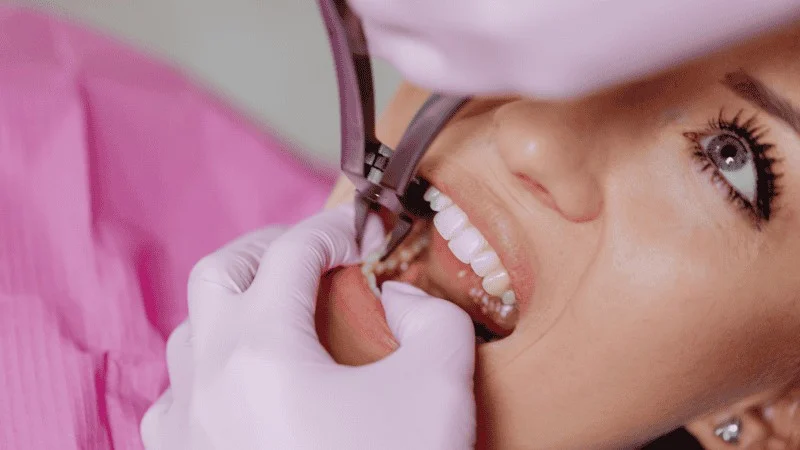
Does tooth extraction hurt? Most people worry that having a tooth pulled will be extremely painful, but modern dental pain management has changed the experience completely.
You should not expect to feel pain during a tooth extraction because dentists use effective numbing techniques, though you will feel pressure as your tooth is loosened.
While older stories about tooth extractions might make you nervous, today’s procedures focus on your comfort from start to finish.
The anxiety around extractions often comes from not knowing what to expect. You might feel a pinch when you receive the numbing shots, and you will notice pushing and pulling sensations during the procedure, but these feelings are very different from actual pain.
Your dentist will test the numbing before starting and set up a hand signal so you can let them know immediately if anything feels wrong.
Understanding what sensations are normal helps you stay calm and communicate with your dentist throughout the process.
This guide walks you through exactly what happens during an extraction, how pain is managed, and what your recovery will be like so you can feel confident about your upcoming appointment.
Key Takeaways
- Modern tooth extractions use effective numbing so you feel pressure but not pain during the procedure
- Your dentist will test for numbness before starting and give you a signal to use if you feel discomfort
- Following your post-procedure instructions carefully helps you heal quickly with minimal discomfort
Table of Content
- Is Tooth Extraction Painful? Myths vs. Reality
- What Happens During a Tooth Extraction
- Pain Management Techniques in Modern Dentistry
- What to Expect After Tooth Extraction
- Tips for a Comfortable Recovery
- The Benefits of Modern Dentistry for Extractions
- Frequently Asked Questions
Is Tooth Extraction Painful? Myths vs. Reality
Many people worry that tooth extractions will be unbearable, but modern dentistry has made the process much more comfortable than most expect.
What you’ve heard about pain during extractions is often based on outdated information rather than what actually happens today.
Common Fears About Tooth Extraction
You might picture sharp, intense pain when you think about having a tooth pulled. This fear is completely normal, but it’s usually based on stories from decades ago.
The biggest worry most patients have is feeling severe pain during the procedure. You may also fear the recovery will leave you unable to work or eat for weeks.
Some people avoid extractions entirely because they assume living with a problem tooth is better than facing the procedure.
Another common concern is that you’ll be left with a permanent gap in your smile. Many patients also worry the procedure itself will be long and complicated. These fears often prevent people from getting necessary dental care.
How Modern Dentistry Has Changed the Experience
Dental technology has advanced significantly over the past few decades. Dentists now use powerful local anesthetics that completely numb the treatment area before any work begins.
Modern sedation and techniques ensure you won’t feel sharp pain during your extraction. You might notice pressure as your dentist works, but this sensation is very different from pain.
For patients with dental anxiety, sedation options can make the entire process relaxing.
The tools dentists use today are also more precise and gentle. Your dentist has been trained in techniques that minimize trauma to surrounding tissue. Most tooth extractions are now faster and smoother than patients expect.
What Most Patients Truly Feel During Extraction
During your procedure, the numbing medication prevents pain signals from reaching your brain. You’ll likely feel pressure and tugging sensations, but these shouldn’t hurt.
Some patients describe feeling their dentist working without any discomfort. The pressure you experience is your dentist carefully loosening the tooth from the surrounding bone and tissue. This is normal and expected.
After your extraction, you may have mild soreness once the anesthesia wears off. Most people manage this discomfort easily with over-the-counter pain medication. Your dentist will likely recommend eating soft foods for a few days.
Recovery typically takes just a couple of days before you can return to normal activities. The actual healing process continues for a week or two, but it won’t keep you from work or school.
Following your dentist’s aftercare instructions helps ensure a smooth recovery.
What Happens During a Tooth Extraction
The extraction process involves numbing the area, loosening the tooth from surrounding tissue and bone, and removing it from the socket.
The specific steps vary based on whether you need a simple or surgical extraction, with impacted wisdom teeth requiring the most complex approach.
Step-by-Step Overview of the Extraction Process
Your dentist starts by numbing your tooth and the surrounding gum and bone tissue with local anesthesia. You’ll receive one or more injections to ensure complete numbness.
Once the anesthesia takes effect, your dentist tests the area by pressing on your tooth or gently poking your gum tissue to confirm you won’t feel pain.
The actual extraction begins when your dentist uses a tool to detach the gum tissue from around your tooth. They’ll then use dental instruments called elevators to rock the tooth back and forth, which loosens it from the surrounding bone and ligaments.
You’ll feel pressure during this step, but it shouldn’t hurt.
When the tooth is loose enough, your dentist grips it with forceps and carefully removes it from the socket. The entire process typically takes just a few minutes for a straightforward extraction.
Your dentist may place gauze over the empty socket and ask you to bite down to help control bleeding.
Simple Extraction vs. Surgical Extraction
A simple extraction works for teeth that are visible above the gum line and can be removed in one piece. Your dentist performs these procedures using only local anesthesia, and the tooth comes out without needing incisions or bone removal.
Surgical extractions involve more complex steps for teeth that haven’t fully emerged or have broken at the gum line. Your dentist or oral surgeon makes a small incision in your gum to access the tooth.
They may need to remove some bone tissue around the tooth or break the tooth into smaller pieces for easier removal.
You might receive sedation options beyond local anesthesia for surgical extractions, including nitrous oxide, oral sedatives, or IV sedation. The procedure takes longer than a simple extraction, but you still won’t feel pain during the process.
Impacted Wisdom Teeth: What to Expect
Impacted wisdom teeth grow at an angle or remain trapped beneath the gum line, making them unable to emerge normally. Your oral surgeon will take X-rays before the procedure to see the tooth’s position and plan the best removal approach.
The extraction requires an incision in your gum tissue to expose both the tooth and surrounding bone. Your surgeon removes bone that blocks access to the tooth root, then often divides the tooth into sections.
Removing smaller pieces puts less stress on the surrounding bone and tissue.
Most patients choose sedation for wisdom teeth removal in Hutto TX since the procedure is more involved. Recovery takes longer than a simple extraction, with swelling and discomfort peaking within the first 48 hours.


Pain Management Techniques in Modern Dentistry
Dentists now use multiple pain control methods to keep you comfortable during tooth extractions. These techniques range from simple numbing agents to advanced sedation options and high-tech tools designed specifically for patient comfort.
Role of Local Anesthesia and Numbing Gel
Local anesthesia is the main way dentists prevent pain during tooth extractions. Before the injection, your dentist applies a numbing gel to your gums. This topical gel contains benzocaine or lidocaine and makes the area numb so you won’t feel the needle go in.
The local anesthetic itself blocks nerve signals in the specific area where your tooth will be removed. Most dentists use lidocaine or articaine, which start working within a few minutes.
You’ll feel pressure during the extraction, but you shouldn’t feel sharp pain.
The numbing effect typically lasts two to four hours after your procedure. Your dentist may use a buffered local anesthetic, which has a neutral pH level. This type causes less stinging when injected and works faster than traditional versions.
Sedation Options: Nitrous Oxide, Oral, and IV Sedation
Sedation dentistry helps if you feel anxious or need a longer procedure. You have several choices based on your comfort needs and the complexity of your extraction.
Nitrous oxide (laughing gas) is the lightest option. You breathe it through a mask during your appointment. It makes you feel relaxed and calm but you stay awake and aware. The effects wear off quickly after the mask comes off, so you can drive yourself home.
Oral sedation involves taking a pill about an hour before your appointment. Common medications include Valium or Halcion. You’ll feel drowsy and may not remember much about the procedure. You need someone to drive you to and from the office.
IV sedation delivers medication directly into your bloodstream through a vein. This provides the deepest level of conscious sedation available at most dental offices.
You’ll be deeply relaxed or may even sleep through the extraction, though you can still respond to the dentist. You won’t remember the procedure and need someone to take you home afterward.
Latest Dental Technology for Comfort

Modern dental technology has changed how extractions feel. Digital imaging lets dentists plan the exact path for removal before they start, which means less time in the chair and fewer complications.
Laser technology can help with soft tissue work around the extraction site. Lasers cause less bleeding and swelling than traditional tools. Some dentists use precise techniques that reduce post-procedure discomfort.
Electric handpieces are quieter and vibrate less than older models. This makes the experience less stressful for many patients. Piezoelectric devices use ultrasonic vibrations to remove teeth with minimal impact on surrounding bone and tissue.
Computer-controlled anesthesia delivery systems inject the local anesthetic slowly and at a steady rate. This reduces the pressure you feel and makes the injection more comfortable than traditional syringes.
What to Expect After Tooth Extraction
Once the numbing wears off, you’ll experience some discomfort and swelling as your body heals. Most pain peaks within the first few days and then gradually improves, but knowing what’s normal versus what requires attention helps you recover smoothly.
Normal Post-Operative Soreness and Swelling
After tooth extraction, you’ll notice tenderness at the removal site once the anesthetic fades. This post-operative soreness typically feels like a dull ache rather than sharp pain.
Swelling usually develops within the first 24 hours and peaks around day two or three. Your cheek may puff out noticeably, and you might see some bruising on your face or jaw.
This happens because your body sends extra blood flow to the area to start healing.
Some bleeding is also normal for the first day. You might notice pink-tinged saliva or slight oozing from the socket. A blood clot forms in the empty socket within a few hours, which is essential for proper healing.
Most people feel the worst discomfort on days 2-3, then notice steady improvement. By day 7, significant pain should be gone.
Managing Pain After Tooth Extraction
Taking your first dose of pain medication before the numbing wears off helps you stay ahead of discomfort. Over-the-counter ibuprofen or acetaminophen works well for most simple extractions.
Apply ice packs to your cheek for 20 minutes on and 20 minutes off during the first 24 hours. This reduces both swelling and pain effectively.
Stick to soft foods like yogurt, mashed potatoes, and smoothies for several days. Avoid using straws, as the sucking motion can dislodge your blood clot. Rest as much as possible and skip strenuous activities for at least 24 hours.
Sleeping with your head elevated on extra pillows also helps minimize swelling overnight.
When Pain May Signal a Problem
Severe, throbbing pain that worsens after 3-4 days instead of improving may indicate a dry socket. This happens when the blood clot dislodges, exposing bone and nerves. The pain often radiates to your ear and feels distinctly different from normal soreness.
Other warning signs include fever above 101°F, excessive bleeding that won’t stop after applying pressure, pus or foul-smelling discharge, and difficulty swallowing or breathing. Heavy swelling that gets worse after day three also needs attention.
Contact your dentist immediately if you experience any of these symptoms. Most post-extraction side effects are temporary and manageable, but catching complications early prevents bigger problems.
Tips for a Comfortable Recovery
Following proper aftercare steps helps reduce pain and speeds up healing after your tooth extraction. Managing discomfort at home and knowing what to avoid can prevent problems like dry socket.

Effective At-Home Pain Relief Strategies
Your dentist will likely prescribe pain medication or recommend over-the-counter options to manage pain after tooth extraction. Take these medications as directed, even before the numbness wears off.
Ice packs work well to reduce swelling and numb the area. Apply an ice pack to your cheek for 15 minutes at a time during the first 24 hours. After the first day, you can switch to warm compresses if swelling continues.
Salt water rinses help keep the extraction site clean and promote healing. Mix half a teaspoon of salt in eight ounces of warm water. Gently rinse your mouth after 24 hours have passed, but don’t swish vigorously as this can dislodge the blood clot.
Rest is important for proper healing. Keep your head elevated when lying down to minimize bleeding and swelling.
Diet and Activity Recommendations
Stick to soft foods for the first few days after tooth extraction. Good options include yogurt, applesauce, mashed potatoes, smoothies, and soups. Avoid hot foods and drinks for the first 24 hours.
Stay away from hard, crunchy, or chewy foods that could irritate the extraction site. Don’t eat chips, nuts, popcorn, or sticky candies until your mouth has healed.
Drink plenty of water to stay hydrated, but avoid using straws. The sucking motion can pull out the blood clot and cause complications.
Avoid strenuous activities for at least 24 to 48 hours. Exercise and heavy lifting can increase blood pressure and cause bleeding at the extraction site.
Preventing Complications Like Dry Socket
Dry socket occurs when the blood clot in your tooth socket becomes dislodged or dissolves too early. This condition causes severe pain and delays healing.
Actions to avoid:
- Don’t smoke or use tobacco products for at least 72 hours
- Avoid drinking through straws
- Don’t spit forcefully
- Skip rinsing your mouth during the first 24 hours
Keep the extraction site clean by gently brushing around it after the first day. Don’t brush directly on the socket. Continue your normal oral hygiene routine for the rest of your teeth.
Watch for warning signs that need immediate attention. Contact your dentist if you experience severe pain that doesn’t improve with medication, excessive bleeding after 24 hours, fever, or pus at the extraction site.
The Benefits of Modern Dentistry for Extractions
Today’s dental practices use advanced tools and methods that make tooth extractions much easier on patients. You get better pain control, heal faster, and receive care designed specifically for your needs.
Reduced Anxiety and Faster Healing

Modern dentistry offers multiple sedation options that help you feel calm during your procedure. You can choose nitrous oxide (laughing gas) to stay relaxed while remaining awake.
If you need deeper relaxation, oral sedation or IV sedation is available for more complex cases.
Advanced tools minimize trauma to surrounding tissues, which speeds up your recovery time. You’ll likely heal within a few days instead of weeks. The first 48 hours see the most improvement in swelling and discomfort.
Modern dental techniques like laser-assisted extractions offer precision with minimal bleeding. Piezosurgery uses ultrasonic vibrations to remove teeth gently without damaging nearby structures.
These methods mean less pain after your procedure and a quicker return to normal activities.
Precision and Customized Care
Your dentist uses digital X-rays and imaging to plan your extraction carefully before starting. This planning ensures the safest approach for your specific situation. Each procedure is tailored to your tooth’s position, your anxiety level, and your overall health.
Modern dental technology includes tools that make the process more accurate:
- Laser devices that reduce tissue damage
- Ultrasonic instruments for gentle bone work
- Digital imaging for precise planning
You receive a personalized treatment plan that considers your comfort needs. Your dentist can adjust sedation levels and choose the best extraction method for your case.
Why Patient Comfort Is a Top Priority
Dental practices now focus on making your experience as comfortable as possible from start to finish. You get detailed explanations of what will happen during your procedure. This transparency helps reduce fear and builds trust.
Modern dentistry has transformed tooth extractions into comfortable experiences by prioritizing how you feel. You receive proper pain management during and after your extraction.
Your dentist provides clear aftercare instructions and stays available if you have concerns during recovery.
The combination of effective anesthesia, advanced equipment, and caring staff means you can address dental problems without unnecessary stress or discomfort.
Ready to finally take care of that problem tooth without the anxiety? Contact us now.
Frequently Asked Questions
Most people feel pressure but not sharp pain during extractions thanks to numbing medication. Soreness after the procedure typically lasts a few days and varies based on the type of extraction.
Does getting a tooth pulled hurt even with numbing?
You should not feel sharp pain during a tooth extraction when the area is properly numbed. The local anesthesia blocks pain signals from reaching your nerves.
You will likely feel pressure and movement as your dentist works. This sensation is normal and different from actual pain.
If you do feel pain during the procedure, tell your dentist right away. They can add more numbing medication to keep you comfortable.
Why might someone feel pain during a tooth extraction even after anesthesia?
Sometimes the numbing medication does not spread to all the nerve branches around your tooth. This happens more often with lower back teeth because of how the nerves are positioned.
Infection or inflammation near the tooth can also make anesthesia less effective. The acidic environment from infection interferes with how the numbing medicine works.
Your dentist can address these issues by using additional anesthesia or trying different numbing techniques. Communication during the procedure helps ensure your comfort.
How painful is it to have a tooth pulled without any anesthesia?
A tooth extraction without anesthesia would cause severe pain. The procedure involves separating the tooth from the surrounding tissue and bone, which contains many nerve endings.
Modern dentistry does not perform extractions without pain control. Anesthesia is a standard part of every extraction to protect patient comfort and safety.
Even in emergencies, dentists use numbing medication before removing a tooth.
What does pain usually feel like during a tooth extraction versus a filling?
Both procedures use local anesthesia, so you should not feel sharp pain during either one. During a tooth extraction, you typically feel pressure or movement as the dentist loosens and removes the tooth.
A filling usually involves less pressure because your dentist is working on the tooth surface rather than removing the entire tooth. The drilling sensation during a filling feels like vibration, but the numbing prevents pain.
After the numbness wears off, extractions often cause more soreness than fillings because more tissue is affected.
How sore should you expect to be after a tooth extraction, and for how long?
Mild soreness and swelling are normal after a tooth extraction. For simple extractions, full comfort returns in about a week.
Pain typically peaks within the first 24 to 48 hours and gradually gets better over the next few days. You can manage this discomfort with pain medication your dentist recommends.
Wisdom tooth extractions may take longer to heal, sometimes up to 10 days, because the roots are deeper. Rest, ice packs, and soft foods help reduce soreness during recovery.
Are tooth extractions usually painful for kids, and how is discomfort managed?
Tooth extractions for children follow the same pain control methods as adult procedures. Your child’s dentist will numb the area completely before starting.
Many pediatric dentists use additional comfort measures like laughing gas or oral sedation to help anxious children relax. These options make the experience easier for kids who feel nervous.
After the extraction, children typically experience mild soreness that responds well to over-the-counter pain medication. Your dentist will provide specific instructions for your child’s age and the type of extraction performed.