If you’re tired of dentures that slip, slide, or make eating difficult, you might be wondering if there’s a better option. Implant-supported dentures attach to metal posts placed in your jawbone, giving you a much more stable fit than regular dentures.
They cost more upfront and require surgery, but many people find the improved comfort and confidence worth the investment.
Implant-supported dentures are worth it for most people who want a stable, long-lasting solution that feels more natural than traditional dentures, but they require good bone health, a higher budget, and several months of treatment time.
The choice depends on your specific needs, health, and finances. Some people are happy with regular dentures, while others need the extra security that implants provide.
Understanding both the advantages and limitations of implant dentures helps you make the right choice for your situation.
This guide walks you through everything you need to know about how they work, what they fix, what problems they don’t solve, and whether they’re the right fit for you.
Key Takeaways
- Implant-supported dentures snap onto posts in your jawbone for better stability and chewing power than traditional dentures
- They cost significantly more and require surgery with a healing period of several months before final placement
- Good candidates have healthy jawbone and gums, don’t smoke, and are willing to maintain proper cleaning habits
Schedule your implant-supported dentures consultation in Hutto, TX today.
What Are Implant-Supported Dentures?
Implant-supported dentures are false teeth that attach to titanium posts placed in your jawbone. They offer more stability than regular dentures and won’t slip around when you eat or talk.
How Implant-Supported Dentures Work
Your dentist first places dental implants into your jawbone during a surgical procedure. These titanium posts act as artificial tooth roots that fuse with your bone over time.
After your implants heal, which usually takes a few months, your dentist attaches the denture to the implant posts. The implant-retained denture connects directly to your jawbone instead of just sitting on top of your gums.
You need enough bone in your jaw to hold the implants in place. If you don’t have enough bone, your dentist might recommend a bone graft first to build up the area.
The implants stay in your jaw permanently. Depending on which type you choose, the denture part may be removable or fixed in place.
Types of Implant Dentures: Snap-On, Fixed, and All-on-4
Snap-on dentures (also called overdentures) click onto your dental implants like buttons. You can take them out each day to clean them, which makes maintenance easier.
Fixed dentures attach permanently to your implant posts. You can’t remove them at home, but your dentist can take them out when needed for maintenance. You brush fixed implant dentures just like natural teeth.
All-on-4 is a specific type of fixed implant denture that replaces a full arch of teeth using just four implants. This option costs less than methods that use more implants.
You can also get implant-supported partial dentures if you’re only missing several teeth in different areas of your mouth.
Implant-Supported vs. Traditional Dentures
Traditional dentures rest on top of your gums and rely on suction or adhesive to stay in place. They can slip, click, or move around when you chew or speak.
Implant dentures anchor directly to your jawbone through the implant posts. This gives you much better stability for eating and talking.
Key differences include:
- Stability: Implant dentures stay firmly in place and won’t wobble
- Bone health: Implants help preserve your jawbone, while traditional dentures can lead to bone loss over time
- Comfort: Many people find implant dentures more comfortable since they don’t rub against your gums
- Cost: Traditional dentures cost less upfront but may need replacement more often
- Maintenance: Traditional dentures need adhesives and special cleaning, while fixed implant dentures get brushed like regular teeth
Visit Apex Dental Studio in Hutto, TX to explore stable, long-lasting denture options.
Key Benefits of Implant-Supported Dentures
Implant-supported dentures attach to your jawbone through dental implants, which creates a stable foundation that traditional dentures can’t match. This connection offers real advantages for your oral health, daily comfort, and ability to eat the foods you enjoy.

Improved Stability and Comfort
You won’t need to worry about your dentures slipping or moving around when you talk or laugh. Implant-supported dentures anchor directly to your jawbone, which means they stay firmly in place throughout the day.
This stability eliminates the need for messy adhesives. You can speak clearly and confidently without the fear of your dentures shifting at the wrong moment.
The secure fit also means less irritation to your gums. Traditional dentures can rub against soft tissue and cause sore spots, but implant-supported versions distribute pressure more evenly. Your oral function improves because the dentures work more like natural teeth.
Chewing Efficiency and Bite Force
Your chewing efficiency increases significantly with implant-supported dentures. You can bite down with much more force compared to traditional dentures that rest on your gums.
This stronger bite force lets you eat tougher foods like:
- Raw vegetables and fresh salads
- Steaks and other meats
- Nuts and seeds
- Crusty breads
- Fresh fruits like apples
Traditional dentures may seem like the easier route upfront, but implant-supported options give you back the ability to enjoy meals without restrictions. You won’t need to cut food into tiny pieces or avoid certain textures.
Bone Preservation and Jawbone Health
Your jawbone needs stimulation to stay healthy. When you lose teeth, the bone in that area starts to shrink through a process called bone resorption.
Implant-supported dentures help preserve jawbone density through osseointegration. This is when the titanium implants fuse with your bone tissue and create a permanent bond. The implants act like tooth roots and stimulate the bone when you chew.
This bone preservation protects your facial structure. Without it, your chin can move closer to your nose and create a collapsed appearance that makes you look older.
Keeping your jawbone intact also supports better gum health and overall oral health. The bone provides a strong foundation that helps maintain proper spacing and alignment in your mouth.
Book your consultation now to see if implant-supported dentures are right for you.
Potential Drawbacks and Challenges
While implant-supported dentures offer significant benefits, they come with higher costs, require surgery with extended healing periods, and aren’t suitable for everyone without additional procedures.
Cost Considerations
Implant dentures typically cost more than traditional dentures. The total expense includes multiple components that add up quickly.
You’ll need to pay for the dental implant surgery itself, which involves placing four to six titanium posts into your jawbone. Each implant post has its own cost. Beyond that, you’ll pay for the custom denture that attaches to these implants.
Typical cost breakdown includes:
- Initial consultation and imaging
- Implant posts (usually 4-6 per arch)
- Surgical placement procedure
- Custom denture fabrication
- Follow-up appointments and adjustments
Many dental insurance plans don’t cover the full dentures cost for implant-supported options. You might receive partial coverage for the denture portion but limited coverage for the implants themselves.
Some patients find that the long-term value balances out the higher upfront investment since implants can last 30 years or longer with proper care.
Surgical Procedure and Healing Time
Getting implant-supported dentures requires surgery and a lengthy recovery period. An oral and maxillofacial surgeon or periodontist will surgically place the implant posts into your jawbone.
The implant surgery itself takes several hours. After placement, your jawbone needs time to fuse with the implants through a process called osseointegration. This healing phase typically takes several months before your permanent denture can be attached.
During the recovery period, you’ll likely wear a temporary denture. The wait can feel frustrating when you’re eager for your final results.
You’ll need to attend multiple appointments throughout the process to monitor healing and ensure everything progresses properly.
Some discomfort and swelling are normal after implant surgery. You’ll need to follow specific care instructions and may need to adjust your diet during healing.
Eligibility and Candidacy Factors
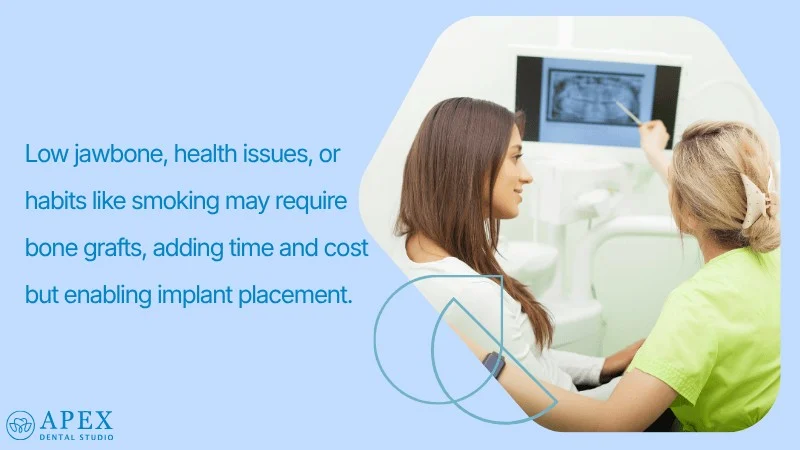
Not everyone qualifies for implant-supported dentures immediately. Your jawbone must have sufficient density and volume to support the implants securely.
If you’ve been missing teeth for a long time, your jawbone may have deteriorated. In this case, you’ll need a bone graft before receiving implants.
Bone grafting adds time and expense to your treatment plan since the grafted bone needs months to integrate before implant placement.
Factors that may require additional procedures:
- Insufficient bone density or volume
- Previous tooth loss leading to bone resorption
- Certain medical conditions affecting healing
- Smoking or tobacco use
- Uncontrolled diabetes
Bone augmentation procedures help build up your jawbone to create a stable foundation. While these extra steps extend your timeline, they make implant placement possible for patients who wouldn’t otherwise qualify.
Comparing Implant-Supported Dentures to Traditional Dentures
The main differences between these two options involve how securely they stay in place, their impact on your jawbone health over time, and how natural they look and feel in daily life.
Stability and Maintenance
Traditional dentures rest on your gums and rely on suction or denture adhesive to stay in place. Your lower denture especially tends to move around when you eat or talk because there’s less surface area to grip.
You’ll need to remove them daily for cleaning and may need to reapply adhesive multiple times throughout the day.
Implant-supported dentures attach to titanium posts surgically placed in your jawbone. These implants act like tooth roots and snap securely onto your denture. You won’t need denture adhesive, and your dentures won’t slip when you’re eating or speaking.
The cleaning process differs between the two types. Traditional dentures require nightly removal and soaking. Implant supported dentures can often be removed for cleaning, but some types are fixed permanently and you clean them just like natural teeth.
Long-Term Oral Health Outcomes
When you wear traditional dentures, your jawbone doesn’t receive the stimulation it needs to stay healthy. This causes bone resorption, where your jaw gradually shrinks over time.
You’ll notice your dentures becoming loose and needing adjustments or replacements every few years.
Dental implants help stimulate bone growth in your jaw, which prevents or slows down bone loss. This keeps your facial structure intact and maintains your jawbone density for years.
Your implant-supported dentures will continue fitting properly without frequent adjustments.
Traditional dentures may cause sore spots on your gums from rubbing and pressure. The instability can also affect how well you chew food, which might impact your nutrition.
With implant-supported dentures, you can bite with more force and eat a wider variety of foods comfortably.
Aesthetic and Social Impacts
Traditional dentures can sometimes look artificial or bulky, especially if bone loss has changed your facial shape. Denture wearers often feel self-conscious about their dentures slipping during conversations or meals.
The fear of embarrassing moments can make you avoid certain social situations or foods.
Implant-supported dentures offer a more natural appearance and feel more like your original teeth. You can smile, laugh, and eat confidently without worrying about your dentures moving.
The secure fit lets you speak more clearly without the clicking sounds that sometimes happen with traditional dentures.
Your facial muscles stay better supported with permanent dentures anchored by implants. This helps prevent the sunken look that can develop with traditional dentures over time.
Care, Maintenance, and Longevity
Implant-supported dentures require consistent daily cleaning and regular professional checkups to stay in good condition. With proper care, the implants themselves can last for decades while the denture portion may need replacement every 10-15 years.
Daily Cleaning and Hygiene
You need to brush your implant-retained dentures at least twice daily using a soft-bristled toothbrush. Focus on cleaning around the abutments where the dentures connect to your implants, as plaque can build up in these areas and cause gum irritation.
If you have removable implant-retained dentures, take them out each night for thorough cleaning. Rinse them under lukewarm water and brush all surfaces with a non-abrasive denture cleaner. Clean your gums, tongue, and the abutments gently with a soft brush or gauze.
For fixed implant dentures, use specialized tools like interdental brushes or water flossers to clean hard-to-reach spaces around the implants. Avoid using abrasive toothpaste or hot water, which can damage the denture material.
Key daily care steps:
- Brush around abutments carefully
- Use non-abrasive cleaners
- Floss or use water picks between implants
- Rinse after meals
Longevity of Implants and Dentures
Your dental implants can last 20-30 years or even a lifetime with proper maintenance. The denture portion typically needs replacement sooner, usually every 10-15 years, due to normal wear and changes in your mouth.
Several factors affect how long your implant-supported dentures last. Good oral hygiene prevents infections like peri-implantitis that can damage the implants.
Avoiding hard foods like ice or nuts protects both the implants and denture teeth from cracking.
Your jawbone quality and overall health also play important roles. If you maintain healthy gums and bone tissue through proper care, your implants stay stable longer. Smoking can reduce implant success rates and shorten their lifespan.
The abutments may occasionally need tightening or replacement, but this is a simple procedure your dentist can handle during regular visits.
Professional Care and Adjustments
Schedule dental checkups every 6-12 months so your dentist can monitor your implant health and make necessary adjustments. These visits catch problems early before they become serious.
During professional cleanings, your dentist removes plaque and tartar buildup that you can’t eliminate at home. They’ll also check for signs of gum irritation or inflammation around the abutments and implants.
Your dentist may need to adjust the fit of your dentures over time as your gums naturally change shape. For snap-on style dentures, the retention inserts typically need replacement every 6-9 months to maintain a secure fit.
These regular adjustments keep your dentures comfortable and prevent sore spots from developing.
Frequently Asked Questions
Implant-supported dentures involve surgery and cost more upfront, but they stay secure without slipping and help preserve your jawbone. Most people want to know about the timeline, care requirements, and whether the investment makes sense for their situation.
What benefits do implant-supported dentures offer compared to traditional dentures?
Implant-supported dentures anchor directly to your jawbone instead of resting on your gums. This means they won’t slip or shift when you talk or eat.
You can bite into tougher foods like apples and steak without worrying about your dentures moving. Traditional dentures often require messy adhesive pastes, but implant dentures stay in place on their own.
The implants also stimulate your jawbone, which helps prevent bone loss over time. This keeps your facial structure looking natural and youthful. Regular dentures don’t provide this benefit and can lead to gradual bone shrinkage.
Can you highlight the disadvantages or downsides of choosing implant-supported dentures?
The main drawback is that you need oral surgery to place the implants into your jawbone. This procedure is more invasive than getting traditional dentures fitted.
You’ll need to wait 3 to 6 months for the implants to heal and fuse with your bone. During this time, you may need to wear temporary dentures while you wait.
The upfront cost is significantly higher than traditional dentures. Some dental insurance plans don’t cover implant procedures in full, which means you might pay more out of pocket.
Not everyone qualifies for implant dentures. If you have severe bone loss, uncontrolled diabetes, or smoke heavily, you may not be a good candidate.
How long can I typically expect implant-supported dentures to last?
The implants themselves can last for decades if you take care of them properly. Many patients keep their implants for 20 years or more.
The denture portion typically needs replacement less often than traditional dentures. While regular dentures often need replacing every 5 to 7 years, the dentures attached to implants usually last longer because they fit more securely.
Your results depend on how well you maintain your oral hygiene and attend regular dental checkups. Good care habits will help you get the most years out of your investment.
What is the process like for getting implant-supported dentures installed?
Your dentist will first evaluate your jawbone density and overall oral health. If you have insufficient bone, you might need bone grafting before implant placement.
During surgery, your dentist places small titanium posts into your jawbone. Most people need 2 to 6 implants per arch, depending on whether you choose removable snap-on dentures or fixed options.
After surgery, you enter a healing period while the implants fuse with your bone. This process is called osseointegration and takes several months.
Once healing is complete, your dentist attaches custom-made dentures to the implants. The entire process from start to finish usually takes 6 months to a year.
Are there any specific care or maintenance tips for implant-supported dentures?
If you have removable implant dentures, you should take them out daily for cleaning. Brush them thoroughly just like you would regular dentures.
Fixed implant dentures stay in your mouth and you brush them like natural teeth. Use a soft-bristled toothbrush and non-abrasive toothpaste to clean around the implants.
You need to clean around the implant posts carefully to prevent infection. Your dentist may recommend special brushes or water flossers to reach these areas.
Schedule regular dental visits so your dentist can check the implants and dentures. Professional cleanings help prevent complications and extend the life of your implants.
How does the cost of implant-supported dentures compare to other tooth replacement options?
Implant-supported dentures cost more upfront than traditional dentures. The surgery, implant posts, and custom dentures all add to the total price.
A full set of traditional dentures might cost $1,000 to $3,000, while implant-supported dentures typically range from $15,000 to $30,000 per arch. The exact cost depends on how many implants you need and your location.
Despite the higher initial investment, many patients find implant dentures provide long-term value because they last longer and perform better. You won’t need to replace them as often as traditional dentures.
Individual dental implants for single teeth cost less per tooth but add up quickly if you’re replacing many teeth. Full implant-supported dentures are often more affordable than replacing each tooth with individual implants.