You may think every cavity needs a drill and a filling. That is not always true. If your dentist finds tooth decay early, you may have another option.
Yes, you can reverse some early cavities without a drill, and Curodont cavity treatment helps your tooth repair itself before the damage gets worse.
Curodont works on early enamel decay. It supports natural mineral repair inside the tooth, instead of cutting away healthy structure.
This approach is changing modern dentistry. You can treat early tooth decay in a simple, non‑invasive way that protects your natural tooth and supports long‑term oral health.
Understanding how it works helps you decide if it fits your needs.
Key Takeaways
- Early enamel cavities can sometimes be treated without drilling.
- Curodont supports natural tooth repair to protect your oral health.
- This treatment works best when your dentist finds decay at an early stage.
Table of Content
- How Curodont Works to Repair Early Tooth Decay
- Benefits of Curodont Compared to Traditional Fillings
- Who Is an Ideal Candidate for Curodont Treatment?
- Integrating Curodont Into Modern Preventive Dentistry
- Expert Insights and the Future of Drill-Free Cavity Care
- Frequently Asked Questions
How Curodont Works to Repair Early Tooth Decay
Curodont targets early tooth decay before a cavity forms. It supports enamel remineralization by helping minerals move deep into weakened enamel without drilling or injections.
Self-Assembling Peptide Technology
Curodont™ uses a lab-made peptide that acts like a guide inside your enamel. After your dentist applies it to a cleaned and etched tooth surface, the liquid moves into the tiny pores of an early lesion.
Inside the enamel, the peptide forms a small scaffold. This scaffold supports mineral growth in the weakened area. It does not fill the tooth like a traditional filling.
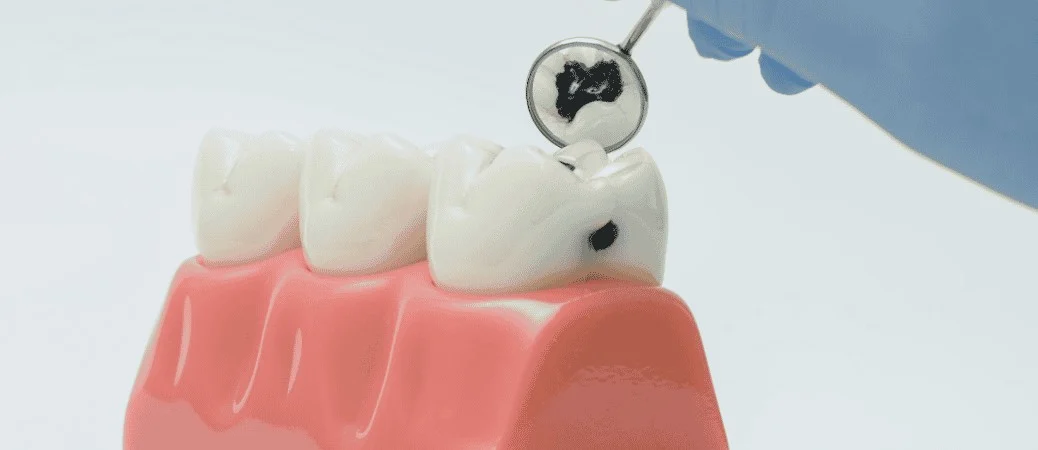
This dental technology focuses on non-cavitated lesions, often called white spot lesions. If the enamel surface is still intact, Curodont repair can work within that structure.
According to vVARDIS, the maker of Curodont, the product works below the surface to strengthen and repair early damage without drilling or needles.
Enamel Remineralization Explained
Your enamel constantly loses and gains minerals. Acid from bacteria pulls minerals out. Saliva and fluoride help put them back.
When early tooth decay starts, the enamel becomes porous. You may see a chalky white spot. At this stage, the damage sits under the surface.
Curodont supports enamel remineralization by allowing fluoride, calcium, and phosphate to move deeper into the lesion. Instead of only forming a thin surface layer, minerals can rebuild structure within the weakened enamel.
This process helps stop the lesion from getting worse. Some research shared by vVARDIS reports mineral density gains within weeks after treatment.
If the tooth already has a hole, you still need a traditional filling. Curodont works only when the surface remains intact.
Treatment Process and What to Expect
The appointment is simple and done in the dental chair. Your dentist first cleans the area using pumice, prophy paste, or air polishing.
Next, they rinse and dry the tooth. They apply a mild etching gel for a short time, then rinse again. Cotton rolls keep the area dry.
Your dentist soaks a small sponge with the Curodont liquid and presses it onto the lesion for a few seconds. The liquid absorbs into the enamel. The visit usually takes only a few minutes.
You will need to avoid eating or drinking for about 30 minutes after treatment. You do not need anesthesia, and you should not feel pain.
Many practices describe Curodont as a non-invasive option for early decay that avoids drilling.
Benefits of Curodont Compared to Traditional Fillings
Curodont changes how you treat early tooth decay. Instead of drilling and placing a filling, your dentist can support your tooth’s natural repair process while keeping more of your healthy enamel intact.
Non-Invasive and Pain-Free Experience
Traditional fillings require drilling to remove decayed enamel. Your dentist then places a filling material to rebuild the area. This process often needs numbing shots and can cause soreness after the visit.
Curodont works in a different way. It treats early-stage cavities without drilling or needles. Your dentist applies the material directly to the tooth surface in a quick visit.
You avoid the sound and vibration of a dental drill. Most patients do not need anesthesia.
This approach fits well with preventive dentistry. You address decay early, before it turns into a larger problem that needs a filling, crown, or root canal.
Preserving Natural Tooth Structure
When you get a filling, your dentist must remove some healthy tooth along with the decay. Even small fillings change the tooth’s structure.
Curodont focuses on early enamel damage. It supports the repair of weakened enamel from within, rather than cutting it away. That means you keep more of your natural tooth.
Keeping natural enamel matters for long-term oral health. Every time you replace a filling, the cavity can grow larger. Over time, this cycle may lead to bigger restorations.
By helping you avoid fillings in the early stage, Curodont supports a more conservative approach in modern dentistry. You treat the problem sooner and protect the strength of your tooth.
Reducing Dental Anxiety for All Ages
Many people delay treatment because they fear drills or injections. Children and anxious adults often worry about pain or discomfort.
Curodont offers a gentler option. You sit through a short, simple procedure. There is no drilling sound and no numbing shot in most early cases.
This calmer experience can improve your overall oral health. When you feel less anxious, you are more likely to attend regular checkups and treat small issues early.
That helps you stay ahead of decay instead of reacting to dental pain later.


Who Is an Ideal Candidate for Curodont Treatment?
You may qualify for Curodont if your dentist finds early-stage cavities that have not formed a hole in the tooth. The key factors are timing, tooth condition, and a clear diagnosis from a dental professional.
Identifying Early-Stage Cavities
Curodont works best when you have early tooth decay limited to the enamel. At this stage, the surface may look intact, but minerals have started to break down beneath it.
Your dentist may see:
- Chalky white spots on enamel
- Early lesions between teeth
- Areas that show mineral loss on dental X-rays
- No visible hole or soft dentin
These are called non-cavitated lesions. You do not feel pain in most cases. The tooth still feels hard.
Curodont does not treat deep cavities. If decay has reached the dentin or formed a visible hole, you likely need a filling instead.
Some practices describe this approach as non-invasive early cavity restoration. The goal is to treat early cavities before they require drilling.
Acting early gives you the best chance to avoid more invasive care.
Children, Adults, and Special Cases
Both children and adults can benefit from Curodont if decay stays in the enamel layer. It is often a good option for:
- Children with new white spot lesions
- Teens with early decay around braces
- Adults with early interproximal cavities
- Patients who feel anxious about drilling
Because the treatment does not use a drill or needle, many families prefer it for younger patients. Some providers highlight it as a drill-free cavity treatment for early-stage tooth decay.
You may also be a good candidate if you have high cavity risk but catch decay early during routine exams.
However, you are not a candidate if the cavity is large, painful, or already needs a crown or root canal. Curodont supports enamel repair, but it does not rebuild lost tooth structure.
Role of Dental Professionals in Early Detection
You cannot diagnose early-stage cavities on your own. A dental professional must confirm that the decay has not broken through the enamel surface.
During your visit, your dentist may:
- Examine the tooth under bright light
- Use magnification
- Take bitewing X-rays
- Check for surface softness
Regular checkups make a big difference. Many offices stress that ongoing exams help track treated areas and decide if retreatment is needed.
If you skip dental visits, early tooth decay can progress without clear symptoms.
Early detection gives you more choices. When your dentist finds decay before a hole forms, you may be able to treat early cavities without ever picking up a drill.
Integrating Curodont Into Modern Preventive Dentistry
You do not need to wait for a cavity to grow before taking action. Modern preventive dentistry focuses on catching decay early and treating it in simple, low‑stress ways.
Routine Checkups and Application
You benefit most from Curodont during routine dental visits. Your dentist checks for early enamel damage, often called white spot lesions, before a hole forms in the tooth.
When they find early decay that has not reached dentin, they may recommend a drill‑free cavity treatment from vVARDIS. The goal is to treat the problem while the enamel can still repair.
The visit is simple:
- The tooth is cleaned and dried.
- The Curodont liquid is placed on the weak area.
- You wait a short time before eating or drinking.
You do not need numbing shots or drilling. In many cases, one application is enough, though your dentist decides based on your risk level and follow‑up exams.
Regular checkups every six months help your dentist track how well the area responds and protect your long‑term oral health.
Combining Curodont With Good Oral Hygiene
Curodont supports natural enamel repair, but your daily habits still matter. You need to control plaque and sugar to stop decay from starting again.
Your dentist may suggest:
- Brushing twice a day with fluoride toothpaste
- Flossing once a day
- Limiting sugary snacks and drinks
- Drinking water after meals
Curodont works beneath the surface of early cavities. It supports enamel repair without drilling.
Still, no treatment replaces daily care. If plaque builds up, bacteria can create new weak spots. Good oral hygiene keeps the repaired enamel strong and lowers your risk of future fillings.
Supporting Lasting Oral Health With New Technology
Dental technology continues to shift toward early treatment instead of repair after damage. Curodont reflects this change by treating enamel before it breaks down further.
You may hear it described as a non‑invasive option that treats early decay without drilling or needles. This approach fits well with preventive dentistry because it aims to preserve your natural tooth structure.
When you treat decay early, you often avoid:
- Larger fillings
- Crowns
- Root canals
By combining early detection, new dental technology, and steady home care, you protect your long‑term oral health in a practical and realistic way.
Expert Insights and the Future of Drill-Free Cavity Care
Leaders in biomimetic dentistry are pushing for earlier, non‑invasive treatment of tooth decay.
You now see growing clinical data, product innovation, and wider access shaping how drill‑free care fits into everyday dentistry.
Goly Abivardi and the vVARDis Mission
Goly Abivardi co‑founded vVARDIS with a clear goal: move dentistry away from the “drill and fill” cycle and toward enamel regeneration.
She promotes a preventive model where you treat early lesions before they turn into full cavities.
That focus led to the development of Curodont Repair, a product designed to support natural enamel rebuilding in non‑cavitated lesions.
vVARDIS positions Curodont as part of biomimetic dentistry. This approach copies natural processes instead of cutting away tooth structure.
On the company’s official page for its drill‑free cavity treatment, vVARDIS explains how the technology targets early decay without needles or drilling.
For you as a patient, that mission means more options before a filling becomes necessary.
Clinical Evidence and Dental Community Adoption
You should always ask one key question: does the science support it?
A published systematic review and meta-analysis on Curodont Repair found that the product likely increases caries arrest and reduces lesion size in early enamel lesions. The review included six clinical trials.
Researchers also noted limits, such as risk of bias and the need for longer studies. That balanced view matters.
In practice, dentists use Curodont for:
- White spot lesions
- Early enamel decay
- Non‑cavitated lesions on visible surfaces
It does not replace fillings for deep or cavitated decay. Your dentist must confirm that the lesion is still in an early stage.
Making Drill-Free Care Accessible

You can now find Curodont in more general dental offices, not just specialty clinics. Many practices apply it during a routine hygiene visit or exam if they detect early decay.
Some dentists describe it as a way to shift from a surgical model to a conservative one. Access still depends on:
- Your dentist’s training
- Early diagnosis
- Your willingness to return for follow‑up
As more dental professionals adopt minimally invasive tools, you gain more chances to stop decay before a drill becomes part of the plan.
Frequently Asked Questions
You can stop some cavities without a drill if your dentist finds them early. Treatment, cost, safety, and results all depend on how deep the decay has spread.
How can dentists treat early cavities without drilling?
Dentists can treat early decay when it stays inside the enamel and has not formed a deep hole. At this stage, the enamel has lost minerals but the tooth structure is still mostly intact.
A treatment called drill-free Curodont™ places a liquid on the tooth. The liquid moves into the early lesion and supports the tooth’s natural repair process using minerals from your saliva.
This approach does not remove tooth structure. It works best before the cavity reaches the dentin.
Who is a good candidate for no-drill cavity treatment?
You are a good candidate if your dentist finds early-stage decay, sometimes called an incipient lesion. These spots often show up on X-rays or as small white areas on enamel.
If the cavity has already created a deep hole or reached dentin, you will likely still need a filling. Many dental offices explain that Curodont is meant for early cavities and not advanced decay.
Children, teens, and adults can all qualify if the decay is caught soon enough.
What results should I expect to see before and after a no-drill cavity repair?
Before treatment, your dentist may see a chalky white spot or a small area of mineral loss on an X-ray. You may not feel pain at this stage.
After treatment, the goal is to stop the cavity from getting worse and to help the enamel regain strength. The area may look less chalky over time, but the main result is that the decay does not progress.
Your dentist will monitor the tooth at future visits to confirm that the lesion stays stable.
How much does Curodont treatment usually cost, and is it covered by insurance?
The cost can vary by office and by how many teeth need treatment. Some dental practices describe it as a preventive or early intervention service rather than a traditional filling.
Because it is newer, insurance coverage differs by plan. You should ask your dental office to check your specific benefits before treatment.
How does Curodont compare with silver diamine fluoride (SDF) for stopping decay?
Both treatments aim to stop early decay without drilling. They work in different ways.
Curodont supports enamel repair by helping minerals rebuild weakened areas. Silver diamine fluoride kills bacteria and hardens the decayed area, but it often turns the treated spot dark.
If appearance matters to you, that color change may influence your choice. Your dentist can explain which option fits your tooth and your goals.
Are no-drill cavity treatments safe, and what side effects should I watch for?
No-drill treatments for early cavities are generally considered safe when a trained dental professional applies them. They are non-invasive and do not require numbing or drilling.
You may notice temporary sensitivity, but most people report little to no discomfort. With silver diamine fluoride, you should expect permanent dark staining on the treated area.
Your dentist should review your medical history and examine the tooth carefully to confirm that a no-drill option is appropriate for you.