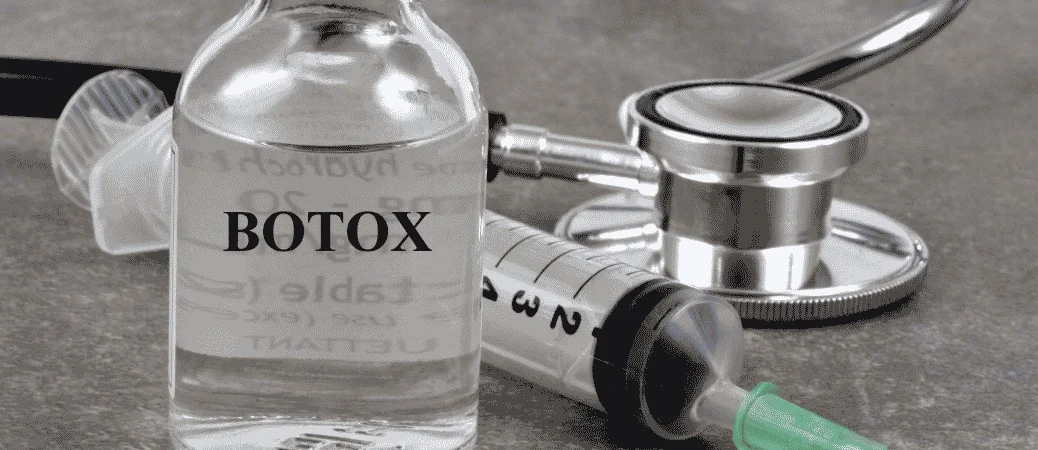
Jaw pain and teeth grinding can make everyday things like eating or talking feel harder than they should be. If you have looked into treatment options, you may have come across Botox for TMJ as a possible fix.
Botox can help calm jaw muscle pain and reduce the effects of teeth grinding for many people, but it does not cure the root cause of TMJ disorders or bruxism.
You might be wondering how a treatment known for smoothing wrinkles ended up being used for jaw problems. The answer comes down to how Botox works on muscles.
When your jaw muscles clench or grind too much, they can become overworked and sore. Botox targets that overactivity, which is why so many people with TMJ pain and jaw clenching are giving it a try.
This article walks you through how Botox works for TMJ pain and bruxism, what the research actually shows, and how it fits alongside other treatments.
You will also learn what to expect during treatment and what factors affect safety, eligibility, and cost.
Key Takeaways
- Botox is not a cure for TMJ or teeth grinding, but it may ease muscle pain and tension.
- Botox works by reducing muscle overactivity, which can help break the cycle of jaw clenching.
- Botox often works best as one part of a larger treatment plan rather than a stand-alone fix.
Table of Content
- What Botox Can and Cannot Treat
- How Botox Relaxes the Jaw Muscles
- Does the Evidence Support Botox for TMJ Pain and Bruxism?
- Where Botox Fits in a Complete Treatment Plan
- What to Expect From Treatment
- Safety, Eligibility, and Cost Considerations
- Frequently Asked Questions
What Botox Can and Cannot Treat
Botox can ease jaw pain and clenching that come from tight, overworked muscles. But it can’t fix problems inside the joint itself, and it won’t help every type of TMJ symptom you might have.
Muscle-Driven Symptoms That May Improve
If your jaw pain comes from tense or overworked muscles, you may see real relief with Botox.
It works by blocking nerve signals that cause muscles to contract, which lowers how hard your jaw muscles can clench or grind.
This can help with:
- Chronic jaw pain from clenching
- Jaw stiffness caused by tight muscles
- Tension headaches linked to grinding
- Bruxism (teeth grinding), especially at night
- Facial pain that flares up after stress or chewing
You might notice softer muscle tone in your jaw and less soreness when you wake up. Many people also chew and talk more comfortably once the muscles relax.
Structural Joint Problems Botox Does Not Fix
Botox only relaxes muscles. It doesn’t touch the actual temporomandibular joint, so it can’t repair anything physically wrong inside it.
If your symptoms come from disc displacement, joint degeneration, or arthritis in the jaw joint, Botox won’t reverse or correct those changes.
It also won’t fix a jaw that clicks, pops, or locks due to structural issues.
Some other things Botox cannot treat include:
- Limited jaw opening caused by joint damage
- A jaw joint that is out of alignment
- Bone changes from long-term joint wear
- Cartilage damage inside the joint
If your dentist suspects a structural cause, they may recommend imaging or refer you to one of the different dental specialties for further evaluation before considering Botox as an option.
TMJ, TMD, and Bruxism: Understanding the Difference
These terms often get mixed up, but they don’t mean the same thing.
TMJ simply refers to your temporomandibular joint, the hinge that connects your jaw to your skull. TMD, or temporomandibular disorder, describes a group of conditions that affect that joint or the muscles around it.
TMD can come from muscle tension, joint damage, or both.
Bruxism is teeth grinding or clenching, which is one possible cause of TMD symptoms, but not the only one.
Knowing which one you’re dealing with matters because it affects your treatment. Botox tends to work best for muscle-related TMD symptoms and bruxism, not for joint damage or misalignment.
That’s why an accurate diagnosis is so important before you start any treatment.
How Botox Relaxes the Jaw Muscles
Botox works by stopping muscle signals at the source, which calms down overactive jaw muscles and lowers muscle tension. Here’s a closer look at how it happens and why it may help with your jaw pain.

Blocking Acetylcholine at the Neuromuscular Junction
Botox, also called onabotulinumtoxinA, comes from a bacterium called Clostridium botulinum. It sounds scary, but the medical form is made in a lab and used in small, controlled doses.
Once it’s injected, Botox targets the neuromuscular junction. This is the spot where your nerves connect to your muscles and send signals telling them to move.
Your nerves normally release a chemical called acetylcholine to trigger muscle contractions. Botox blocks acetylcholine release at this junction, so the signal doesn’t get through.
Without that signal, the muscle can’t contract as strongly. This is what leads to muscle relaxation in the treated area.
Injection Targets: Masseter, Temporalis, and Pterygoid Muscles
Your jaw movement depends on a few key muscles, and Botox is usually injected right into these spots. The main target is the masseter muscle, which sits along your cheek and does most of the heavy lifting when you chew or clench.
Providers may also inject the temporalis muscle, located near your temple, since it also plays a role in jaw clenching and grinding.
In some cases, the lateral pterygoid muscle gets treated too. This muscle helps control side-to-side jaw movement, though it’s injected less often because it’s harder to reach safely.
Here’s a quick breakdown:
| Muscle | Location | Role in Jaw Function |
| Masseter | Cheek area | Biting, chewing, clenching |
| Temporalis | Temple area | Clenching, grinding |
| Lateral pterygoid | Deep in jaw joint | Side-to-side jaw movement |
Why Reduced Clenching Force May Ease Pain
When your jaw muscles are overactive, they clench and grind with more force than they need to. Over time, this can strain the joint and lead to ongoing jaw muscle pain.
By calming the masseter muscles and temporalis muscles, Botox lowers the amount of force your jaw can generate. Less force means less strain on your teeth, jaw joint, and surrounding tissue.
This doesn’t fix the underlying cause of your TMJ or grinding. But it may break the cycle of tension and pain that keeps building up.
Many people notice their jaw feels more relaxed within a few days to two weeks after treatment.
Does the Evidence Support Botox for TMJ Pain and Bruxism?
Research on Botox for TMJ pain and bruxism shows real benefits, but the studies still have some gaps.
Here’s what the science actually says about pain relief, headaches, and why doctors treat Botox as one tool among many rather than a fix-all.
What Studies Suggest About Pain and Bite Force
If you’ve read about botox injections for jaw pain, you’ve probably seen mixed opinions. Some studies show real promise.
A clinical review of Botox for chronic TMD found that patients had less pain and better jaw function after treatment.
Masseter botox works by calming the muscle that controls your bite. This can lower how hard you clench, which may ease strain on your jaw joint.
But not every study agrees on how well it works. A systematic review on Botox for TMD noted that the evidence is still not fully clear.
Researchers want to see more controlled studies before making strong claims about long-term results.
Potential Benefits for Headaches and Sleep Bruxism
You might notice fewer headaches if tight jaw muscles are part of your problem. Some research links masseter tension to chronic headaches and even migraines.
A review of Evaluation of the Clinical Effects of Botulinum Toxin on Nocturnal Bruxism found lower pain scores in patients whose jaw pain came mostly from grinding their teeth.
This matters if nighttime grinding keeps waking you up or leaves your jaw sore in the morning.
Sleep bruxism is tricky to treat because it happens while you’re unconscious. Botox doesn’t stop the grinding urge, but it can reduce how much force your jaw muscles produce.
Less force often means less jaw fatigue and less strain on your teeth.
Why Botox Is Usually an Add-On Rather Than a Cure
Botox is not a stand-alone cure. Most dentists and doctors use it as one part of a bigger pain management plan.
A review of Patient-Reported Outcome Measures After Botulinum Toxin points out that results usually last three to four months, then wear off. You’ll likely need repeat treatments to keep the benefits going.
Botox also comes with some downsides you should know about. Temporary muscle weakness is common, and some people notice a change in how their jaw looks or feels when chewing.
Because of this, doctors often pair Botox with mouth guards, physical therapy, or medication.
Your provider will look at medical necessity before recommending it, especially since it’s not always covered by insurance for jaw issues.
Where Botox Fits in a Complete Treatment Plan
Botox works best as one piece of a larger puzzle, not a stand-alone cure. Most dentists and doctors will ask you to try other treatments first, then layer Botox on top if you still need more relief.
First-Line Options to Try or Continue
Before your provider even mentions Botox, you should try the basics first. These treatments are safer, cheaper, and work well for many people.
Here’s what usually comes first:
- Occlusal splints or night guards: These oral splints fit over your teeth and stop grinding while you sleep.
- Physical therapy or physiotherapy: A therapist can teach you jaw exercises that stretch and strengthen your jaw muscles.
- NSAIDs: Over-the-counter pain relievers can calm swelling and ease pain.
- Muscle relaxants: Your dentist may prescribe these for short-term relief of tight jaw muscles.
You should keep using these first-line treatments for most TMJ cases even if you start Botox. Botox works alongside these tools, not instead of them.
Addressing Stress, Habits, and Sleep Factors
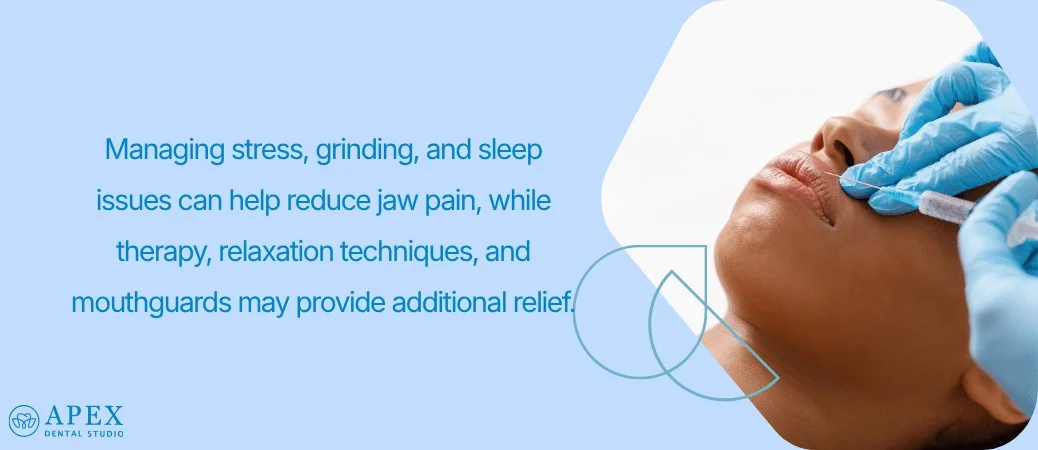
Your jaw pain might connect to things happening outside your mouth. Stress is one of the biggest triggers for clenching and grinding, so managing it can lower your symptoms.
You might try:
- Stress management techniques: Deep breathing, meditation, or simple breaks during your day can lower tension in your jaw.
- Cognitive behavioral therapy: This type of behavioral therapy helps you notice and change habits like clenching your jaw when you’re anxious.
- Sleep evaluation: If you have obstructive sleep apnea (OSA), treating it may reduce nighttime grinding too.
Mouthguards can also help protect your teeth while you work on these deeper habits.
Your provider may ask about your stress levels and sleep quality before recommending Botox as an add-on treatment since these factors often need attention regardless of which treatment you choose.
When to See a TMJ Specialist
Sometimes your regular dentist can’t fully solve the problem alone. That’s when a TMJ specialist steps in.
You should ask for a referral if:
- Your pain lasts for months despite trying splints, medication, and exercises.
- Your jaw locks, clicks loudly, or won’t open all the way.
- You suspect myofascial pain that spreads beyond your jaw into your neck or shoulders.
A TMJ specialist, oral surgeon, or pain specialist has more training in complex cases. They can also give Botox injections with more precision than a general dentist.
If your dentist has tried standard treatments without success, it’s reasonable to seek out a specialist who focuses specifically on jaw disorders.
What to Expect From Treatment
Getting Botox for TMJ starts with a check-up, then moves into the actual injections and a short recovery period.
From there, you can expect gradual pain relief, a few months of benefit, and the option for more sessions down the road.
Consultation, Injection Placement, and Recovery
Before you get any botox injections, you’ll sit down with your provider to talk about your symptoms. They’ll ask about your jaw tension, headaches, and any teeth grinding you’ve noticed.
Make sure your provider is a licensed healthcare provider, like a dentist, oral surgeon, ENT, or plastic surgeon who has experience with jaw treatments.
While cosmetic Botox can improve your smile, Botox for TMJ and teeth grinding focuses on overactive jaw muscles, so precise placement matters.
During the appointment, your provider will inject small amounts of Botox into your masseter muscle and sometimes your temporalis muscle. These are the main muscles involved in clenching and grinding.
The injections themselves are quick, often just a few minutes. You might feel some injection site pain, mild bruising, or swelling right after, but this usually clears up within a day or two.
You can go back to your normal activities the same day.
When Results Start and How Long They Last
You won’t feel results right away. It can take a day to a couple of weeks for the Botox to fully kick in.
As it starts working, you should notice less jaw tension and easier jaw movement. Clenching and grinding often become less intense too.
For most people, results last around three to four months. If your jaw muscles are especially strong, you might notice the effects wearing off a bit sooner.
Keep in mind that Botox doesn’t fix the root cause of your TMJ symptoms. It’s a tool to manage pain and muscle activity while you continue other treatments, such as custom night guards for teeth grinding or physical therapy.
Repeat Treatments and Possible Facial Slimming
Since Botox wears off over time, you’ll need repeat treatments to keep your symptoms under control. Most people schedule follow-up sessions every few months, depending on how their body responds.
With repeated use, some people notice their jawline looks slimmer. This happens because of muscle atrophy, where the masseter muscle shrinks slightly from reduced activity over time.
This is different from using dermal fillers, which add volume instead of reducing muscle size.
Facial slimming is considered a side benefit for some, but it isn’t guaranteed for everyone. In rare cases, injections placed incorrectly can lead to an asymmetric smile or uneven muscle weakness.
This is why choosing an experienced provider matters so much for both your comfort and your results.
Safety, Eligibility, and Cost Considerations
Before you book a Botox appointment for TMJ or teeth grinding, you should know how safe it is, whether you qualify, and what it might cost you. Here’s what you need to think about before moving forward.

Side Effects and Warning Signs
Most side effects from Botox are mild and go away on their own. You might notice some injection site pain, mild bruising, or a headache for a day or two.
Less often, you could experience muscle weakness in your jaw, which can make chewing feel a bit harder than usual.
Some people also notice temporary changes in their smile if the toxin spreads slightly beyond the injection area.
Watch out for more serious signs like drooping eyelids, facial paralysis, or difficulty swallowing. These are rare, but they need medical attention right away.
If you ever notice symptoms of botulism, such as trouble breathing or severe muscle weakness spreading through your body, call your doctor immediately.
Always choose a licensed healthcare provider who has experience giving these injections, since proper technique lowers your risk quite a bit.
Who Should Avoid Botox Injections
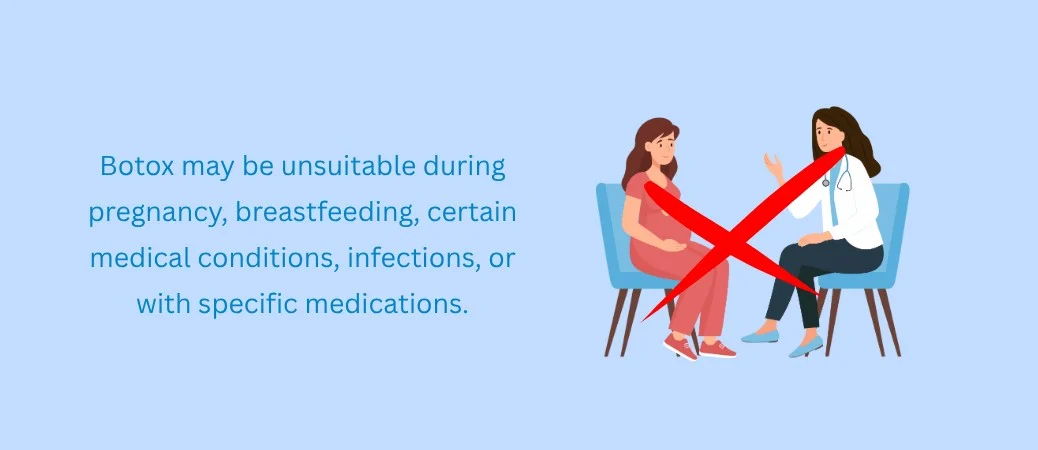
Botox isn’t right for everyone, so you’ll want to talk with your doctor about your health history first.
You should avoid these injections if you’re pregnant or breastfeeding, since there isn’t enough research to confirm it’s safe during these times.
If you have myasthenia gravis or another condition that affects muscle and nerve function, Botox could make your symptoms worse.
People with a history of allergic reactions to botulinum toxin products should steer clear too. You’ll also want to skip treatment if you have an active infection at the planned injection site.
Your provider will ask about your medications, since some drugs, like certain antibiotics, can interact with Botox and increase your risk of side effects.
FDA Status, Insurance, and Out-of-Pocket Costs
Botox has FDA approval for several conditions, but its use for TMJ and teeth grinding is considered “off-label.”
This means dentists and doctors can still prescribe it, but it hasn’t gone through the same approval process specifically for jaw pain or bruxism.
Because of this, insurance coverage can be tricky. Medicare and most private insurers typically don’t cover Botox for TMJ unless your provider submits a letter of medical necessity explaining why the treatment is needed for your specific case.
Even then, approval isn’t guaranteed, so you’ll want to check with your insurance company first.
Without coverage, you can expect Botox for TMJ to cost between $500 and $1,500 per session, depending on your provider and how many units you need.
If your case involves documented medical necessity, like severe muscle spasms or chronic pain that hasn’t responded to other treatments, you may have a better chance of getting some costs covered.
Frequently Asked Questions
Here’s what you need to know about using Botox for TMJ pain and teeth grinding, from dosage to cost to how long results last.
Does Botox actually help with TMJ pain and teeth grinding?
Yes, Botox can help with jaw pain and teeth grinding for many people. It works by blocking nerve signals to the jaw muscles, which stops them from clenching as hard.
That said, results vary from person to person. It works better for reducing teeth grinding than for eliminating pain completely, so you might notice less clenching but still have some jaw soreness.
Your dentist or doctor will likely still recommend other treatments alongside Botox. This includes things like a night guard, physical therapy, or stress management, since Botox isn’t meant to be a standalone fix.
How many units of Botox are typically used for jaw clenching?
Most providers use 25 to 50 units per side of your jaw for TMJ and teeth grinding treatment. Your exact dose depends on how strong your jaw muscles are and how severe your symptoms are.
If you have naturally strong or enlarged jaw muscles from years of grinding, you may need a dose on the higher end.
Your provider will check your muscle size and ask about your symptoms before deciding on the right amount for you.
What are the potential side effects or downsides of masseter Botox?
Like any injection, you might experience some mild side effects. These commonly include pain, bruising, or swelling at the injection site, along with possible headaches or flu-like symptoms.
More serious but rare side effects can include muscle weakness or an uneven smile. This happens if the Botox spreads to nearby muscles it wasn’t meant to affect.
You should also know that Botox for TMJ hasn’t been officially approved by the FDA for this specific use. Because of this, it’s important to choose a provider who has real experience with jaw injections, not just cosmetic Botox.
Will Botox for teeth grinding change the shape of my face?
It can, actually. Since Botox relaxes and shrinks your masseter muscles over time, many people notice their jawline looks slimmer after a few treatments.
This is often seen as a bonus, especially if you’ve developed a wider or squarer jaw from years of clenching.
But if you like the shape of your jaw as it is, mention this to your provider so they can adjust your dose to minimize noticeable slimming.
Is Botox for bruxism covered by insurance, and how much does it cost?
Coverage really depends on your insurance plan and why you’re getting the treatment.
Since Botox for TMJ isn’t FDA-approved for this specific condition, many insurance companies won’t cover it, which means you’ll likely pay out of pocket.
Costs vary quite a bit based on your location, provider, and how many units you need.
It’s a good idea to call your insurance company directly and ask about your specific plan before booking an appointment, so you know what to expect financially.
How long do Botox results for jaw clenching usually last?
You can expect your results to last about three to four months on average. Some people notice effects starting to fade closer to the three-month mark, while others get a few extra weeks out of their treatment.
If your jaw muscles are especially strong or your grinding is severe, you might need more frequent sessions.
Your provider can help you figure out a treatment schedule that keeps your symptoms under control without over-treating.