You invest time and money into cosmetic dentistry because you want results that last.
Whether you choose teeth whitening, veneers, bonding, or a full smile makeover, you want to know how long your new look will hold up and how it will boost your confidence.
Cosmetic dentistry has become so advanced that dental procedures can last for many years, but most are not truly permanent and will need maintenance or replacement over time.
Some treatments, like dental implants, can last decades with proper care, as explained in this guide on the longevity of cosmetic dental procedures. Others, such as whitening or bonding, may need touch-ups sooner.
Your daily habits, oral health, and the type of treatment you choose all shape how long your results last. When you understand what is realistic, you can protect your investment and keep your smile looking its best.
Key Takeaways
- Most cosmetic dentistry results last years, but few are permanent.
- Treatment type, oral health, and habits affect how long results hold up.
- Proper care and regular dental visits help extend your smile makeover.
Table of Content
- Types of Cosmetic Dental Treatments and Typical Longevity
- What Determines How Long Results Last?
- Permanent Versus Temporary Solutions: What’s Realistic?
- How to Care for and Prolong Your Cosmetic Results
- When and Why Cosmetic Treatments Need to Be Redone
- Frequently Asked Questions
Types of Cosmetic Dental Treatments and Typical Longevity
Different cosmetic dental treatments last for different lengths of time. The material used, your daily habits, and how well you care for your teeth all affect how long your results stay in good shape.
Porcelain Veneers and Dental Crowns
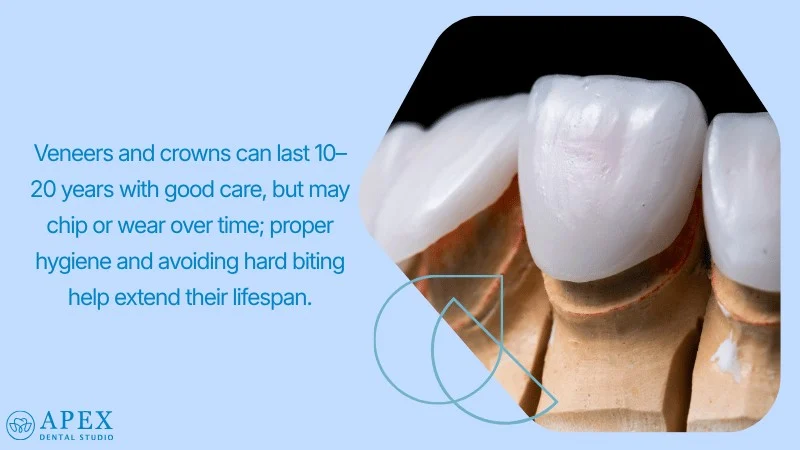
Porcelain veneers and dental crowns can last many years when you care for them well. Veneers often last 10 to 15 years. Crowns can last 10 to 20 years, depending on the material and where they sit in your mouth.
Veneers cover the front of your teeth to improve shape and color. Crowns cover the whole tooth and protect it from damage. Both resist stains better than natural enamel, but they can still chip or crack if you grind your teeth or bite hard objects.
Your habits matter. If you brush twice a day, floss daily, and see your cosmetic dentist for checkups, you can help them last longer.
If damage happens, your dentist can often replace a veneer or crown without redoing your entire smile transformation.
Dental Implants: Truly Long-Term?
Dental implants are one of the longest-lasting cosmetic dental treatments. The titanium post that sits in your jawbone can last decades. In many cases, it can last a lifetime.
The visible crown on top of the implant may need replacement after 10 to 15 years due to normal wear. Good bone and gum health play a big role in long-term success.
You must brush, floss, and attend regular cleanings to prevent gum disease around the implant. Smoking and poor oral hygiene increase the risk of implant failure.
With proper care, implants offer one of the most stable solutions for missing teeth.
Teeth Whitening and Its Duration
Teeth whitening does not last as long as veneers or implants. Results from professional teeth whitening usually last several months to three years.
The exact length depends on your diet and habits. Coffee, tea, red wine, and tobacco can stain your teeth again over time.
You can extend your results by brushing after meals and using a whitening toothpaste approved by your dentist. Many people schedule touch-up treatments once or twice a year to maintain a bright smile.
Bonding, Aligners, and Other Enhancements
Dental bonding uses tooth-colored resin to fix chips or gaps. Bonding often lasts 3 to 10 years. The material can stain or wear down faster than porcelain.
Clear aligners, including invisalign in Hutto TX, and traditional braces straighten your teeth over several months to a few years. After treatment, you must wear retainers to keep your teeth in place. Without retainers, teeth can slowly shift back.
Aligners and braces create lasting changes in tooth position, but retention is key. If you stop wearing your retainer, you may undo part of your smile transformation.
Each option has a different timeline. Your cosmetic dentist can help you choose the treatment that fits your goals, budget, and commitment to long-term care.
What Determines How Long Results Last?
Your daily care, the materials your dentist uses, and your habits all affect how long cosmetic dental treatments last. Small actions, like how you brush or whether you wear a nightguard, can add years to your results.
Oral Hygiene and Daily Care
Your oral hygiene routine plays a major role in how long your results last. Plaque and bacteria can damage natural teeth and the edges of veneers, crowns, or bonding.
Brush at least twice a day with a soft-bristled toothbrush. Use a non-abrasive toothpaste so you do not scratch porcelain or wear down composite resin. Abrasive products can dull the shine on veneers and make stains stick more easily.
Floss every day. Careful brushing and flossing protects your gum health and helps prevent decay around crowns and bonding.
If you had whitening, limit staining foods and rinse your mouth with water after coffee or tea. Clean, healthy gums also support long-term success. Swollen or bleeding gums can shorten the life of cosmetic work.
Material Quality and Placement
The type of material used affects durability. Porcelain veneers and crowns often last longer than composite resin bonding, which may need replacement sooner.
Placement matters just as much as material. A well-fitted crown with proper bite alignment will handle chewing pressure better. Poor fit or uneven bite alignment can lead to cracks or loosening.
Skilled technique also protects your gum health. When margins sit correctly along the gumline, you lower the risk of decay and inflammation.
Lifestyle Habits and Oral Health
Your daily habits can either protect or damage your dental work. Smoking, frequent coffee or red wine, and sugary drinks increase staining and decay risk.
Grinding your teeth, also called bruxism, puts heavy pressure on veneers and crowns. Ask your dentist about a nightguard if you grind at night. This simple device can prevent cracks and wear.
Avoid chewing ice, pens, or hard candy. These oral habits can chip porcelain or bonding.
Your overall oral health also matters. Healthy gums and strong natural teeth provide a stable base for cosmetic treatments. If you manage conditions like gum disease early, you improve long-term results.
Dental Check-Ups and Maintenance
Regular dental exams help protect your investment. During regular dental checkups, your dentist checks for small issues before they turn into major repairs.
Professional cleanings remove plaque that brushing and flossing may miss. This step protects both natural teeth and cosmetic restorations.
Your dentist will also check bite alignment and look for signs of grinding. Early adjustments can prevent cracks or uneven wear.

Permanent Versus Temporary Solutions: What’s Realistic?
When you ask, is cosmetic dentistry permanent, the honest answer depends on the treatment. Some options give you a lasting smile for many years, while others need regular touch-up treatments to keep your cosmetic dental results looking fresh.
Defining Permanence in Cosmetic Dentistry
In cosmetic dentistry, “permanent” rarely means forever without change. It usually means the dentist alters your natural tooth in a way that cannot be reversed.
For example, porcelain restorations like veneers require removing a thin layer of enamel. Once your dentist removes enamel, it does not grow back. You will always need a veneer or similar covering on that tooth.
Dental implants also fall into the long-term category. They replace missing teeth with a titanium post in your jaw. With good care, implants can last decades. Some reports show they may last 10 to 40 years, depending on your oral health and habits.
Permanent does not mean maintenance-free. You still need brushing, flossing, and dental visits to protect your investment.
Treatments with Lasting Smile Results
Some treatments offer strong, long-lasting results when you care for them properly.
Examples of longer-term options:
- Porcelain veneers (often last 10–15 years or more)
- Dental implants (can last decades with good care)
- Dental crowns (often last 10–15 years)
These treatments change or cover the tooth structure. That is why people often view them as more permanent solutions. You trade higher cost and more preparation for a lasting smile.
Still, even durable porcelain restorations can chip or wear down. You may need replacement after many years. Your daily habits, like grinding your teeth or chewing hard objects, affect how long your cosmetic dental results last.
Procedures Needing Maintenance or Touch-Ups
Other treatments improve your smile but need repeat visits to maintain results.
Common short-term or maintenance-based treatments:
- Teeth whitening
- Dental bonding
- Some temporary crowns or fillings
Teeth whitening results fade over time. Coffee, tea, wine, and smoking can darken your teeth again. Most people need touch-up treatments every few months to a few years.
Dental bonding usually lasts about 3 to 10 years, depending on where it sits in your mouth and how well you care for it. It can stain or chip more easily than porcelain.
Temporary restorations also protect your teeth while you wait for a final solution.
When you choose cosmetic care, think about how much upkeep you are willing to handle. That choice shapes whether your smile change feels permanent or ongoing.
How to Care for and Prolong Your Cosmetic Results
Your cosmetic dental work can last for years when you protect it with steady daily care and smart habits. Small choices like how you brush, what you chew, and how often you attend dental checkups can affect your results.
Daily Maintenance Best Practices
Brush your teeth twice a day with a soft-bristled toothbrush. This helps clean your teeth without scratching veneers, crowns, or bonding.
Use a non-abrasive toothpaste. Gritty formulas can wear down polished surfaces and dull the shine of cosmetic work over time.
Floss once a day to remove plaque between teeth and along the gumline. Healthy gums support veneers, crowns, and implants, and they reduce the risk of gum recession that can expose margins or edges.
Rinse with an alcohol-free mouthwash if your dentist recommends it. Alcohol can dry your mouth, and dry mouth can increase plaque buildup.
If you had whitening treatment, limit dark drinks like coffee, tea, and red wine. Rinse with water after drinking them to reduce surface stains.
Habits to Avoid for Extended Results
Avoid chewing ice, pens, or hard candy. These habits can chip porcelain veneers and crack bonding.
If you grind or clench your teeth, you may have bruxism. Teeth grinding puts pressure on crowns and veneers and can shorten their lifespan. Ask your dentist about a custom nightguard to protect your smile while you sleep.
Do not use your teeth as tools to open packages. This can cause small fractures that grow over time.
Smoking can stain cosmetic work and harm gum health. Gum recession may expose tooth roots or the edges of restorations, which affects both comfort and appearance.
The Importance of Scheduled Dental Visits
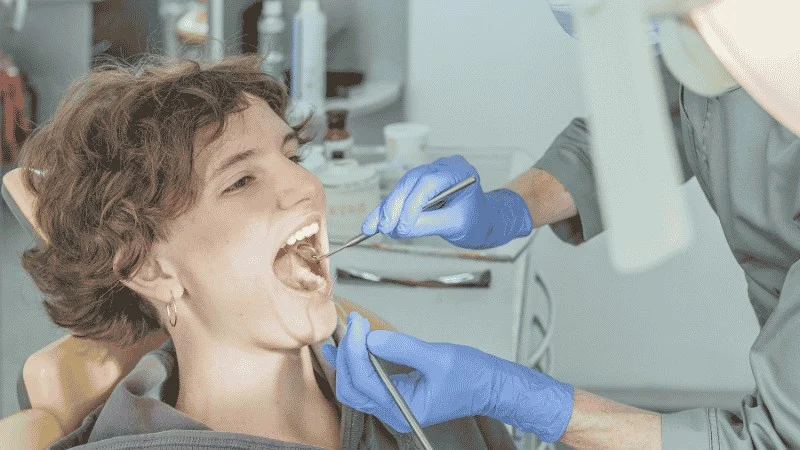
Schedule dental check-ups every six months, or as your dentist advises. Regular dental checkups allow your provider to check for early signs of wear, gum recession, or bite changes.
Professional cleanings remove hardened plaque that brushing and flossing miss. This lowers your risk of gum disease, which can weaken support around cosmetic work.
Your dentist can also adjust minor bite issues before they cause damage. Early care often prevents the need for larger repairs later.
When and Why Cosmetic Treatments Need to Be Redone
Cosmetic results can last many years, but they do not last forever. You need to watch for clear signs of wear and understand why repairs or replacement may become necessary.
Signs Your Cosmetic Dental Work Needs Attention
You may notice small changes before a major problem starts. A chip in dental veneers, a crack in dental crowns, or rough edges on bonding often signal early damage.
Look for these warning signs:
- Visible cracks or chips in porcelain veneers or crowns
- Staining that does not improve with cleaning
- Sensitivity near the edge of a restoration
- Gum recession that exposes crown or veneer margins
- A loose or shifting restoration
Porcelain restorations resist stains and wear, but they can still break under pressure. Grinding your teeth or biting hard objects can shorten their life.
If you completed a full smile makeover, uneven wear or color changes between treated and untreated teeth can also stand out over time. A dentist can adjust, polish, or replace the affected area before the problem spreads.
Common Reasons for Replacement or Repairs
Most cosmetic teeth treatments need updates because of normal wear or changes in your mouth. Materials age, and your natural teeth and gums change too.
Common reasons include:
- Decay at the margin where a veneer or crown meets your tooth
- Fractures from teeth grinding (bruxism)
- Staining of bonding material
- Gum recession that affects appearance
- Natural tooth shifting after orthodontic work
Even strong porcelain veneers and crowns usually last about 10 to 15 years before replacement becomes likely. Bonding often needs touch-ups sooner because resin stains and chips more easily.
You may also choose to redo work for cosmetic reasons. If your facial shape changes with age or you want a different tooth shade, your dentist can update your smile makeover to match your current goals.
Frequently Asked Questions
Cosmetic dental treatments can last for years, but they rarely last forever. How long they stay in good shape depends on the type of treatment and how well you care for your teeth.
How long do common cosmetic dental treatments typically last?
Different treatments have different lifespans.
Teeth whitening done in a dentist office in Hutto, TX, often lasts from 6 months to 2 years, depending on your habits.
Veneers and crowns can last 10 to 15 years or longer with proper care. Dental implants can last decades when your gums and bone stay healthy.
What factors can make cosmetic dental work wear out sooner or last longer?
Your daily habits matter more than you may think.
Brushing twice a day, flossing, and seeing your dentist for cleanings help your restorations last longer. Poor hygiene can lead to decay or gum disease around treated teeth.
Smoking, teeth grinding, and eating a lot of sugary or acidic foods can shorten the life of veneers, bonding, and crowns. Age also plays a role, since your teeth and gums change over time.
Dentists often stress that results depend on the procedure type and long-term care.
What happens to veneers after 10 to 20 years, and do they need replacing?
Veneers do not last forever.
After 10 to 20 years, they may show wear along the edges, small chips, or staining at the margins. The bonding material can weaken over time.
If a veneer cracks, loosens, or no longer fits well against your gumline, your dentist will likely recommend replacing it. Regular checkups help catch small problems before they turn into bigger ones.
Are teeth whitening results permanent, or will the color fade over time?
Teeth whitening is not permanent.
The color can fade as you drink coffee, tea, red wine, or soda. Smoking also causes stains to return faster.
You may need touch-up treatments every year or so to keep your teeth bright. Good brushing habits and limiting stain-causing drinks can help you keep results longer.
What are the downsides of choosing permanent dentures compared with other options?
Permanent dentures, often supported by implants, feel more stable than removable ones. They can improve chewing and reduce slipping.
However, they require surgery and a longer healing period. They also cost more than traditional dentures.
You must keep your gums and implants clean every day. If you do not, you risk infection or implant failure.
What is the 3-3-3 dental rule, and how does it relate to maintaining your smile?
The 3-3-3 dental rule reminds you to brush for 3 minutes, 3 times a day, and see your dentist every 3 months if you have higher risk for dental problems.
Even if you only need checkups every 6 months, brushing thoroughly and often helps protect your cosmetic work. Clean teeth and healthy gums give veneers, crowns, and implants a better chance to last for many years.