You’ve probably wondered if professional teeth whitening is worth the investment, and the answer depends on how long those results will stick around.
Professional teeth whitening typically lasts anywhere from six months to three years, depending on your habits and the type of treatment you choose.
The good news is that you have more control over the longevity of your bright smile than you might think.
Your daily habits play a huge role in how long your whitening results will last. Things like drinking coffee, tea, or red wine can cause your teeth to lose their brightness faster.
Smoking also shortens the life of your professional whitening. On the flip side, maintaining good oral hygiene and avoiding stain-causing foods can help you keep that fresh-from-the-dentist look for much longer.
Understanding what affects how long your teeth stay white will help you make smart choices about which treatment to pick and how to care for your smile afterward.
Whether you’re considering in-office whitening or a take-home kit from your dentist, knowing what to expect can help you get the most value from your treatment.
Key Takeaways
- Professional whitening results last between six months and three years based on your lifestyle choices and oral care routine
- In-office treatments provide immediate results while take-home kits work more gradually but both can deliver long-lasting brightness
- Your diet, smoking habits, and dental hygiene practices are the biggest factors that determine how long your white smile will last
Table of Content
- Types of Professional Whitening Treatments
- How Whitening Works and What Affects Longevity
- Expected Results and Duration for Each Whitening Method
- Factors That Shorten or Extend Whitening Results
- Choosing the Best Whitening Option and Aftercare
- Frequently Asked Questions
Types of Professional Whitening Treatments
Professional teeth whitening comes in two main forms that use stronger ingredients than store-bought products. In-office whitening uses stronger bleaching agents and delivers faster results, while take-home kits let you brighten your smile at your own pace.

In-Office Whitening vs. Take-Home Kits
In-office whitening gets completed in one or two visits to your dentist’s office. Each session takes about 60 to 90 minutes. Your dentist applies a high concentration hydrogen peroxide gel directly to your teeth while protecting your gums with a rubber dam.
Some treatments combine the whitening gel with LED, UV, or halogen lights. The light sits right outside your mouth during treatment.
Take-home whitening kits require more effort on your part. Your dentist creates an impression of your teeth to make custom-fitted trays that fit perfectly. You’ll wear these trays filled with carbamide peroxide gel for two to 10 hours daily for up to 28 days.
The cost difference between these options is significant. In-office treatments run $800 to $1,000, while custom trays cost $300 to $600.
Neither option gets covered by dental insurance since cosmetic dental treatments aren’t typically included in standard plans.
Custom-Fitted Trays and Professional-Strength Gel
Custom-fitted trays offer better results than generic options because they match the exact shape of your teeth. This tight fit means the whitening gel reaches every surface without slipping onto your gums or missing hard-to-reach spots.
The professional-strength gel your dentist provides contains 10% to 38% carbamide peroxide. This concentration is stronger than what you’ll find in whitening toothpaste or most over-the-counter products.
You can keep using your custom trays for three to five years with touch-ups. When you need more gel, just order it from your dentist and use your existing trays. This makes custom trays a good long-term investment for maintaining your bright smile.
Home Whitening Kits vs. Over-the-Counter Options
At-home whitening kits from your dentist differ from over-the-counter whitening products you buy at the drugstore. Professional kits use custom trays that fit your teeth precisely, while store-bought whitening strips and whitening kits use one-size-fits-all designs.
Over-the-counter options contain lower concentrations of whitening ingredients. They can work for minor surface stains but take longer to show results. Whitening strips might not cover all your teeth evenly, especially in the back of your mouth.
Professional take-home kits give you more comprehensive whitening results than drugstore products. The custom fit means better coverage and less chance of the gel irritating your gums.
Your dentist also monitors your progress and can adjust your treatment plan if needed.

How Whitening Works and What Affects Longevity
Professional whitening treatments use special chemicals to break down stains on your teeth, but how well they work depends on the type of stains you have and the health of your enamel.
The bleaching agents penetrate your tooth structure at different levels, and your results will vary based on several key factors.
Surface vs. Deep Stains: Extrinsic and Intrinsic Factors
Surface stains sit on the outer layer of your teeth and come from things like coffee, tea, and red wine. These extrinsic stains are the easiest to remove with whitening treatments.
You’ll see results faster because the bleaching agents don’t need to go deep into your tooth.
Intrinsic stains are a different story. They form inside your tooth structure from things like aging, certain medications, or trauma to the tooth.
Professional whitening can address both types of stains, but intrinsic stains take longer to lighten and may not respond as well. If you have mostly extrinsic stains, your whitening results will last longer because you can control many of the causes through your daily habits.
The location and depth of your stains directly affect how long your whitening will last. Deep intrinsic stains may start showing through again sooner than surface stains that have been removed.
Role of Carbamide Peroxide and Whitening Gels
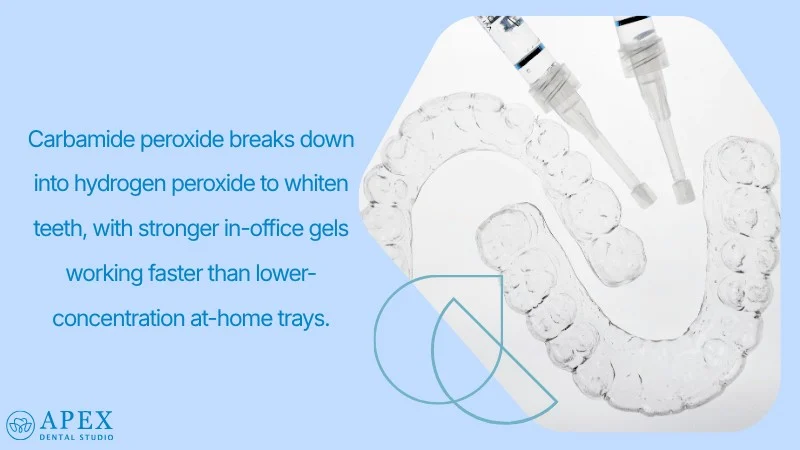
Carbamide peroxide is the main ingredient in most professional whitening gels. It breaks down into hydrogen peroxide when applied to your teeth, which then penetrates the enamel to bleach stains.
Professional treatments use stronger concentrations than over-the-counter products.
Your dentist might use whitening gels with highly-concentrated hydrogen peroxide or carbamide peroxide during in-office treatments. These stronger formulas work faster and produce better results.
The concentration of the gel affects both how quickly you see results and how long they last. Higher concentrations can give you whiter teeth in less time, but they need to be used carefully under professional supervision.
At-home trays from your dentist use lower concentrations that you apply over several days or weeks. This gentler approach can still give you long-lasting results when you follow your dentist’s instructions.
Enamel Health and Whitening Safety
Your enamel is the protective outer layer of your teeth, and its health matters for whitening. Healthy enamel responds better to whitening treatments and protects your teeth from sensitivity during the process.
Is teeth whitening safe for your enamel? When done correctly under professional guidance, yes. However, there are some risks to know about.
Long-term use of whitening products may cause enamel thinning in some cases. Research on whether whitening damages tooth enamel or dentin is inconclusive, but surface grooves and thinning can occur with strong bleaching solutions.
Your dentist will check your enamel health before whitening to make sure the treatment is safe for you. If you already have thin enamel or exposed dentin, aggressive whitening might not be the best choice. Some people experience temporary sensitivity during treatment, which usually goes away after you finish whitening.
Expected Results and Duration for Each Whitening Method
Different whitening methods offer varying levels of brightness and longevity. Professional in-office treatments typically last 1-2 years, while at-home options provide results for several months to a year depending on your habits and maintenance routine.
Typical Longevity of In-Office Whitening
In-office teeth whitening delivers the longest-lasting results, typically maintaining brightness for 1-2 years with proper care. You’ll notice immediate results after just one 60-90 minute session, with your teeth becoming several shades lighter.
The powerful bleaching agents used by dental professionals penetrate deeper into your tooth enamel than over-the-counter products. This creates more dramatic and durable whitening effects.
Your results can last even longer if you maintain good oral hygiene and limit staining foods and beverages. Most people need a whitening touch-up every 6-12 months to maintain their brightest smile.
The exact duration depends on your lifestyle choices and how well you care for your teeth after treatment.
How Long Take-Home and At-Home Kits Last
Take-home whitening kits provided by your dentist usually last 6 months to 1 year. These custom-fitted trays contain professional-strength bleaching gel that you apply daily for 15-60 minutes over 1-4 weeks.
At-home whitening kits from stores offer shorter-lasting results. Whitening strips and toothpaste typically maintain brightness for a few weeks to a few months.
The lower concentration of bleaching agents means you’ll need more frequent touch-ups.
You’ll see gradual improvement with consistent use of an at-home whitening kit. Most people notice visible changes within one week, with full results appearing after 2-4 weeks of daily application.
Comparing Teeth Whitening Results Across Methods
Is teeth whitening permanent? No whitening method provides permanent results, but some last significantly longer than others.
| Method | Duration | Initial Results |
| In-office professional | 1-2 years | Immediate |
| Dentist take-home kits | 6-12 months | 1-4 weeks |
| Store-bought strips | Few weeks to months | 1-2 weeks |
| Whitening toothpaste | Few weeks | Gradual |
How long does teeth whitening last depends mainly on your personal habits and the whitening method you choose.
Professional treatments offer superior teeth whitening longevity compared to over-the-counter options because they use stronger concentrations of bleaching agents.
Your teeth whitening results also depend on whether you have surface stains or deeper discoloration. Surface stains from coffee and wine respond better to whitening than deeper stains from aging or medications.
Factors That Shorten or Extend Whitening Results
What you eat, how you care for your teeth, and whether you use touch-ups all play a role in how long your whitening lasts. Some habits can keep your smile bright for years, while others can bring stains back in just a few months.
Impact of Diet and Drinks That Stain Teeth
The foods and drinks you consume directly affect how long your whitening results last. Coffee, tea, and red wine are well-known culprits that can darken your teeth over time.
Dark sodas, berries, tomato sauce, and balsamic vinegar also contain pigments that stick to enamel.
What many people don’t realize is that how often you consume these items matters more than the amount. Sipping coffee throughout the day exposes your teeth to stains repeatedly, which is worse than drinking a full cup at once.
Using a straw for dark beverages helps the liquid bypass your front teeth where stains show most. Rinsing your mouth with water after eating or drinking staining foods washes away pigments before they settle.
The first 48 to 72 hours after professional whitening treatment are especially important because your enamel is temporarily more porous and absorbs stains more easily.
Oral Hygiene and Dental Cleanings
Your daily dental hygiene routine has a major impact on maintaining your bright smile. Brushing twice a day and flossing removes plaque that acts like a sticky film, trapping stain-causing particles against your teeth.
Regular dental cleanings in Hutto, TX every six months are just as important. Professional cleanings remove hardened plaque and surface stains that regular brushing can’t eliminate.
This helps restore the reflective surface of your enamel without needing additional whitening treatments.
Using a low-abrasive whitening toothpaste can help maintain results without damaging enamel. Harsh formulas create tiny scratches that actually attract more stains.
Staying hydrated also supports oral hygiene by increasing saliva production, which naturally rinses away food particles and bacteria throughout the day.
Touch-Up Whitening and Maintenance Tips
Periodic whitening touch-ups can extend your results significantly. Many dentists recommend touch-up whitening treatments every six to twelve months, depending on your lifestyle and how quickly stains return.
Take-home whitening trays from your dentist make touch-ups convenient and effective. You can use them for a night or two when you notice slight discoloration starting to appear.
This prevents stains from building up to the point where you need another full treatment.
Some people maintain their results for years with minimal effort by combining good oral hygiene with occasional touch-ups. Others who consume staining foods and drinks regularly may need more frequent maintenance.
Paying attention to early signs of discoloration and addressing them quickly helps keep your smile consistently bright between professional treatments.
Choosing the Best Whitening Option and Aftercare
Your success with teeth whitening depends on choosing the right treatment and following proper care steps afterward. Different people respond better to different methods based on their tooth stains and lifestyle habits.
Who Gets the Best Results From Professional Whitening?
You’ll see the best results from professional whitening if your teeth are stained from coffee, tea, red wine, or smoking. These surface stains respond well to the hydrogen peroxide or carbamide peroxide used in cosmetic dentistry treatments.
However, some types of discoloration don’t respond as well to whitening. If you were exposed to tetracycline antibiotics during tooth formation, your teeth may have permanent dark bands that whitening can’t fix.
Areas overexposed to fluoride won’t lighten much either.
Past dental work creates additional challenges. Porcelain crowns, veneers, and bonded areas won’t change color during teeth whitening treatment. Your natural teeth will get lighter, but these restorations will stay the same shade.
You need healthy teeth and gums before starting any whitening procedure. If you have cavities or exposed roots, the whitening agent can cause serious discomfort.
Schedule a checkup and cleaning first to remove plaque buildup that blocks the whitening gel.
Maintaining Results and Minimizing Sensitivity
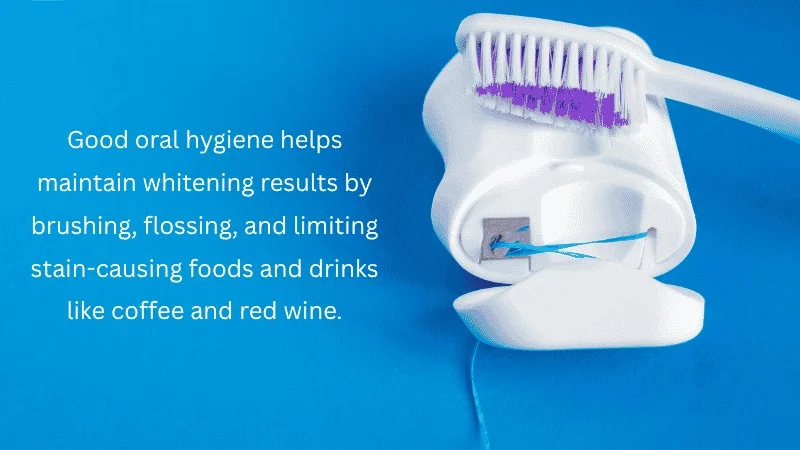
Your daily dental hygiene routine directly affects how long your whitening lasts. Brush twice daily and floss once to prevent new stains from forming on your teeth.
Cut back on drinks and foods that stain teeth. Coffee, red wine, dark sodas, and brightly colored foods all leave marks on your enamel. Use a straw when drinking dark beverages to limit contact with your front teeth.
Custom take-home kits let you maintain your results with regular touch-ups. Your dentist can provide whitening gel that you use in your custom trays every few months. These trays can last three to five years with proper care.
Tooth sensitivity often happens after whitening but usually goes away within a few days. Use toothpaste made for sensitive teeth before and after your treatment. Your dentist may apply fluoride right after whitening to reduce discomfort.
Frequently Asked Questions
Professional whitening treatments typically last between one and three years, though your daily habits play a big role in how long your results stay bright. The cost and time commitment vary based on the type of treatment you choose.
How many months do results from in-office whitening typically stay noticeable?
Results from in-office whitening can last anywhere from 12 to 36 months when you maintain good oral hygiene. Most people see their whitest results for about a year before gradual fading begins.
Your individual results depend on how well you care for your teeth after treatment. If you brush regularly and limit staining foods, you’ll stay on the longer end of that range.
What habits can make whitening results fade faster?
Coffee, tea, red wine, and cola are some of the biggest culprits that stain your teeth. Smoking significantly speeds up how quickly your whitening fades.
Not brushing after meals allows stains to set in faster. You should brush at least twice daily and especially after eating or drinking things that stain.
Skipping regular dental cleanings lets surface stains build up. Chewing sugar-free gum or rinsing with water after meals helps keep your teeth cleaner between brushing sessions.
How often should you get a professional whitening touch-up?
Most people need a touch-up every one to two years to maintain their bright smile. Your dentist in Hutto, TX can recommend a schedule based on how quickly your teeth pick up stains.
Some people with heavy coffee or wine habits might need touch-ups more often. Others who maintain excellent oral hygiene and avoid staining foods can go longer between treatments.
At-home maintenance products like whitening toothpaste can help extend the time between professional whitening sessions. Your dentist might also provide custom trays for periodic at-home touch-ups.
How does professional whitening compare to strips in how long results last?
Professional treatments typically last one to three years with proper care. Whitening strips can last up to six months at best when you choose high-quality brands.
The stronger bleaching agents used in dental offices penetrate deeper into your teeth. Over-the-counter strips contain weaker formulas that only address surface-level stains.
You’ll need to reapply whitening strips much more frequently than professional treatments. The trade-off is that strips cost less upfront but require more ongoing purchases.
How long does a professional teeth whitening appointment usually take from start to finish?
An in-office whitening appointment usually takes just one visit to complete. The actual treatment time ranges from 60 to 90 minutes depending on the method your dentist uses.
Your dentist will first clean your teeth and protect your gums before applying the whitening solution. Some offices use special lights or heat to speed up the bleaching process.
You can walk out with noticeably whiter teeth the same day. This makes chairside bleaching one of the fastest ways to brighten your smile.
How much does professional teeth whitening usually cost, and is it worth it?
Professional whitening typically costs between $300 and $1,000 depending on your location and the specific treatment. This might seem expensive compared to drugstore strips that cost $20 to $50.
The investment gives you longer-lasting results and stronger whitening effects. You’re also under professional supervision, which reduces the risk of gum irritation or uneven whitening.
When you factor in how long the results last, the cost per year becomes more reasonable. Many people find the dramatic results and convenience worth the higher upfront price.