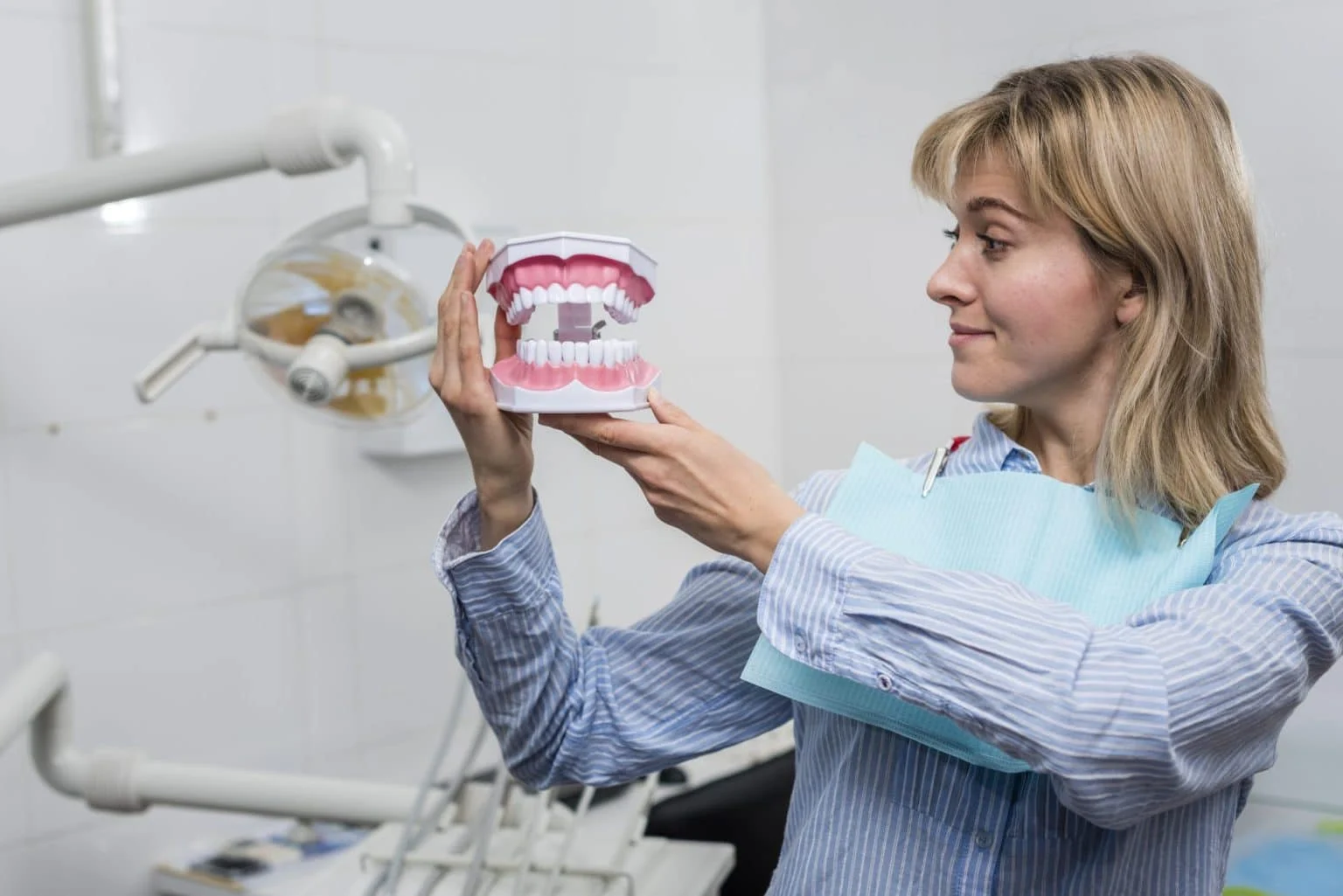
When selecting dentures, comfort is a top priority. Ill-fitting or uncomfortable dentures can make everyday activities like eating, speaking, and smiling difficult. The right dentures should fit securely, feel natural, and provide long-term comfort. But with so many types available, how do you know which ones are best for you? In this guide, our team at Apex Dental Studio will advise you on the most comfortable denture options and how to choose the best fit for your needs. As always, make sure you talk to your dentist, or reach out to us if you have any questions!
There Is No One-Size-Fits-All
The most comfortable denture varies from person to person. Factors like gum health, jaw structure, and personal preference all play a role in determining which option will feel best. What’s considered comfortable is also subjective. What dentures feel good for others may not feel the same for you (or work as well). Instead of searching for the “best” or the most “comfortable” denture, focus on finding the right fit for your unique oral health.
What Makes Dentures Comfortable?
Not all dentures feel the same. Several factors influence how comfortable they will be, including:
- Fit & Stability: A well-fitting denture should sit securely in place without shifting or causing irritation. Dentures can move around causing sore spots and discomfort. Visit your dentist for adjustments as the shape of your gums and jawbone changes. This will ensure a snug but not overly tight fit.
- Material Choices: The denture’s material affects their weight, flexibility, and overall feel. Acrylic resin is lightweight and easy to adjust, making it a popular choice. Porcelain is more durable and resembles natural teeth but can feel heavier. Flexible dentures made from softer materials adapt to the gums and may provide a more natural feel for some wearers.
- Support Type: The way dentures are secured in the mouth impacts comfort. Traditional dentures rest on the gums, which can lead to pressure points over time. Implant-retained dentures attach to dental implants and provide greater stability and reduce the risk of shifting. Implants often lead to the most comfortable experience, but they require surgery, have a longer healing process, and are more expensive.
- Adjustment Period: No matter the type of denture, there is always an adjustment period. Some materials and designs allow for an easier transition. Most patients should expect a few weeks to adjust to new dentures unless advised otherwise by their dentist.
Types of Dentures
Selecting the right type of denture is key to comfort. Here are the most common options:
- Full Dentures: Also called complete dentures, these replace an entire arch of missing teeth. They rest on the gums and may require adhesive for added stability.
- Partial Dentures: Used when some natural teeth remain, these dentures attach with clasps to provide extra security.
- Immediate Dentures: Worn right after tooth extraction, they allow for immediate function but may need adjustments as the gums heal.
- Implant-Retained Dentures: These snap onto dental implants for enhanced stability but remain removable for cleaning.
- Implant-Supported Dentures: A fixed option attached to implants, providing the most secure and natural-feeling fit.
How to Choose the Right Fit for You
The most comfortable dentures for one person may not be ideal for another. Here’s what to consider:
- Your Oral Health: If you have strong jawbone support, implant-supported dentures may be the most stable and comfortable choice.
- Lifestyle Factors: Active individuals, for example, may prefer secure options like snap-in or implant-supported dentures.
- Maintenance Needs: Some dentures require more cleaning and care than others. Consider how much time you’re willing to invest in maintaining your dentures.
- Cost & Longevity: While implant-supported dentures offer superior comfort, they tend to be more expensive. Traditional acrylic options may be more budget-friendly but require periodic adjustments.
Our team is here to help you find the best denture for your needs. We assess your oral health, lifestyle, and preferences to recommend the most comfortable and secure option for you.
Tips for Maximizing Comfort
Even the best dentures require the proper care and maintenance to remain comfortable. Here are some tips to ensure a great fit:
- Schedule Regular Adjustments: Over time, gum and bone structure can change, requiring adjustments to keep dentures fitting properly. Make sure to schedule dental appointments at a standard cadence.
- Maintain Proper Cleaning Habits: Cleaning your dentures daily helps prevent irritation and infection. To clean your dentures, use a dedicated denture cleanser, a soft-bristled denture brush, and warm water.
- Use Adhesives if Needed: Denture adhesives can improve fit and stability, especially for traditional full dentures. Check out this article for more information on choosing the right denture adhesive.
- Allow Time for Adjustment: Like many dental treatments, dentures often take a few weeks for patients to get used to. Follow your dentist’s guidance for a smooth transition.
Take the Next Step Toward Comfortable Dentures
Finding the most comfortable dentures requires considering factors such as fit, material, and support type. While implant-supported and snap-in dentures offer superior stability and a natural fit, traditional full and partial dentures can also provide comfort with proper adjustments. The best way to ensure a great fit is to consult with a dental professional.
If you’re exploring denture options, reach out to your dentist for advice. With the right guidance, you can find dentures that allow you to eat, speak, and smile comfortably. Feel free to contact the experts at Apex Dental Studio if you have any questions or want to schedule a consultation.