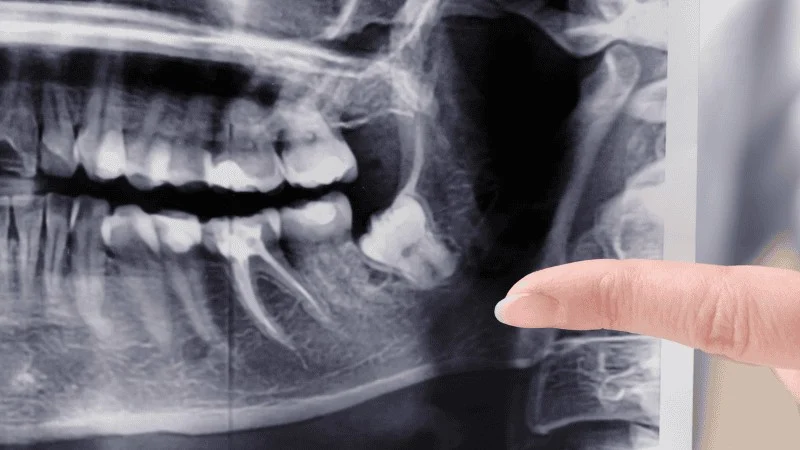
If you have bone loss, you may think dental implants are no longer an option. Missing teeth can cause the jawbone to shrink over time, and that can make treatment feel out of reach.
You want a clear answer before you move forward.
Yes, you can often get dental implants even if you have bone loss, but you may need extra procedures to make it work. Your dentist can use tools like bone grafts, sinus lifts, or smaller implant types to create enough support for a secure fit.
Modern techniques make implant treatment possible for many people who were once told no.
Before you decide, it helps to understand how bone loss affects implant placement and what steps can rebuild strength in your jaw. When you know your options, you can choose a plan that fits your health, budget, and long-term goals.
Key Takeaways
- You can often get dental implants with bone loss if your dentist plans the right approach.
- Bone grafts and other treatments can rebuild or support weak areas of your jaw.
- Careful exams and planning help improve implant success and healing.
Schedule a dental implant consultation in Hutto, TX to see if bone loss treatment is right for you.
Can You Get Dental Implants With Bone Loss?
Yes, you can get dental implants with bone loss, but your treatment plan may need extra steps. Your dentist will check your jawbone, measure bone density, and decide if you need added support before placing implants.
Who Is a Candidate for Implants With Bone Loss
Studies show up to 50% of alveolar ridge width can be lost within 12 months after tooth removal.
You may still qualify for dental implants with bone loss if you have enough healthy jawbone to hold the implant. Your dentist will use X-rays or a 3D scan to measure bone height and width.
These images show whether your jaw can support stable osseointegration, which is when the implant bonds to the bone.
You may need added procedures if bone loss is moderate or severe. These can include:
- Bone grafts to rebuild thin areas
- Sinus lifts for the upper jaw
- Mini implants that need less bone
- Zygomatic implants that anchor in the cheekbone
Many patients learn they still qualify after reviewing options like those explained in this guide on dental implants with bone loss.
Your overall oral health also matters. Healthy gums and controlled medical conditions improve your chances of success.
Advantages of Dental Implants for Bone Loss
Dental implants do more than replace missing teeth. They help protect your jawbone after tooth loss.
When you chew, the implant sends pressure into the bone. This stimulation supports bone strength and helps limit further shrinkage. Natural teeth do this through their roots, and implants act in a similar way.
Key benefits include:
- Improved chewing strength
- Stable bite alignment
- Support for facial structure
- Long-term tooth replacement
Unlike dentures, implants stay fixed in place. They do not slide or press on the gums in the same way. Many patients choose implants because they support both function and oral health.
In many cases, modern techniques allow implant dentistry to succeed even when bone has already thinned.
Potential Risks and Complications
Implants with bone loss carry some risks. Reduced bone volume can increase the chance of implant failure if the implant does not fully bond with the jawbone.
Other possible risks include:
- Infection around the implant
- Poor osseointegration
- Nerve irritation in rare cases
- Sinus problems for upper jaw implants
Your dentist lowers these risks by planning carefully and using imaging before surgery. If you smoke or have untreated gum disease, your risk of complications rises.
You improve your outcome by keeping your gums healthy, brushing and flossing daily, and attending follow-up visits. Careful planning and good home care both play a key role in long-term implant success.
Book your implant evaluation today and learn if bone rebuilding options fit your needs.
How Bone Loss Affects Dental Implant Placement
Bone loss changes the shape, height, and strength of your jaw. These changes affect where an implant can go and how stable it will be after placement.
Types and Causes of Bone Loss
You can lose bone in your jaw for several reasons. The most common cause is missing teeth. When a tooth root is gone, the jaw no longer gets pressure from chewing. This leads to bone resorption, where the body slowly breaks down unused bone.
Gum disease also plays a major role. Advanced periodontitis damages the tissue and bone that support your teeth. Over time, this causes dental bone loss around one or more teeth.
Other causes include:
- Osteoporosis, which lowers bone density throughout your body
- Trauma to the jaw from an accident
- Long-term infections or untreated periodontal disease
Jaw bone loss can happen quickly after tooth loss. Studies show much of the shrinkage takes place in the first few months. If you wait years to replace a tooth, you may lose both bone height and width.
Impact of Bone Density and Location
Dental implants need enough bone density to stay stable. The implant acts like an artificial root and must fuse with your jawbone. If your bone is too thin or soft, the implant may not bond well.
Location matters. The upper back jaw often has lower bone density than the lower front jaw. If you have jawbone loss in the upper jaw, your sinus cavity may sit too close to the implant site.
In these cases, a sinus lift or bone augmentation may help create space.
Your dentist checks bone levels with X-rays or 3D scans. If bone is limited, treatments such as grafting can rebuild support. Many clinics explain how dental implants with bone loss can still work with the right plan.
Consequences of Untreated Bone Loss
If you ignore jaw bone loss, it does not stop on its own. The bone continues to shrink, especially in areas without teeth. This can change how your face looks and how your bite fits together.
Untreated gum disease and periodontitis can speed up dental bone loss. Teeth may loosen or shift. You may also find it harder to chew certain foods.
Over time, severe bone loss can limit your treatment options. You may need more complex procedures such as bone augmentation before you qualify for implants.
Visit our implant team at Hutto, TX for advanced solutions for dental implants with bone loss.
Assessment and Planning for Implants With Bone Loss
You need clear imaging, careful planning, and the right provider to place implants safely when bone loss is present. Each step focuses on measuring your jawbone density and choosing a method that fits your exact needs.
Diagnostic Imaging and Bone Evaluation
Your dentist starts with digital X-rays to check bone height and spot problem areas. These images show missing teeth, bone shrinkage, and signs of gum disease.
For a deeper view, you may need a CT scan. A 3D scan measures jawbone density, width, and height in exact millimeters. It also shows nerves and sinuses, which helps prevent injury during surgery.
Your provider reviews:
- Bone thickness
- Bone height
- Bone quality and density
- Location of nerves and sinuses
If the scan shows low density or thin bone, you may need grafting or a different implant type. Many clinics explain this process in guides about dental implants with bone loss, which outline how imaging shapes the treatment plan.
Clear imaging lowers risk and helps you understand what your jaw can support.
Personalized Treatment Planning
After imaging, your provider builds a plan based on your bone level and health history. No two cases look the same.
If you have mild bone loss, standard implants may still work. If bone volume is low, your dentist may suggest:
- Bone grafting to rebuild lost bone
- A sinus lift for the upper back jaw
- Mini implants if the bone is narrow
- All-on-4 implants placed at angles to use available bone
Some patients also qualify for options described in this guide on mini implants and bone grafts for bone loss.
Your dentist also reviews medical conditions, smoking habits, and gum health. These factors affect healing and long-term success. A clear timeline helps you know when grafting, implant placement, and crown attachment will happen.
Choosing an Implant Specialist
When bone loss is involved, skill matters. You should look for an implant specialist or dental implant specialist with training in advanced procedures.
An oral surgeon or periodontist often handles complex cases. Ask how often they place implants in patients with low jawbone density. Experience with bone grafts, sinus lifts, and guided implant surgery is important.
You can review educational pages like this overview of getting dental implants with bone loss to understand what a qualified provider should offer.
Before you commit, ask about:
- Use of CT scans for planning
- Success rates in similar cases
- Clear cost estimates
- Step-by-step treatment timelines
The right specialist explains your options in plain language and shows you exactly how they will secure your implant despite bone loss.
Solutions for Implant Placement in Cases of Bone Loss
You still have several dental implant options even if your jawbone has shrunk. Dentists can rebuild bone, adjust the implant site, or use special implants designed for low bone volume.
Bone Grafting Techniques and Materials
If your jawbone is too thin or short, your dentist may recommend bone grafting. A bone graft adds volume so the implant has enough support to fuse with your bone.
You can receive different types of bone grafts:
- Autograft – bone taken from your own body
- Allograft – bone from a human donor
- Xenograft – bone from an animal source
- Synthetic bone material – lab-made grafts that mimic real bone
Each option supports new bone growth. Your existing bone slowly joins with the graft in a process called bone augmentation.
Healing can take several months before implant placement. Grafting often makes implants possible even in complex cases.
You need good overall health and must avoid smoking to improve healing.
Sinus Lifts and Ridge Augmentation
If you need implants in your upper back teeth, you may not have enough bone below the sinus cavity. A sinus lift raises the sinus membrane and places bone graft material underneath it.
This creates a thicker bone layer for implant placement. Sinus lifts often require a healing period before the implant goes in.
Ridge augmentation works in a similar way. Your dentist rebuilds the natural ridge of your jaw when it has become too narrow or uneven.
These procedures fall under bone grafting and bone augmentation. They help restore proper height and width so the implant sits securely.
You may need these treatments if you lost teeth years ago and the bone has continued to shrink.
Alternative Implants: Mini and Zygomatic Implants
In some cases, your dentist may avoid large grafts and use different implant types.
Mini dental implants are thinner than standard implants. They require less bone and may help stabilize implant-supported dentures or partial dentures.
They often involve a simpler procedure, but they may not suit areas that handle heavy bite force.
For severe upper jaw bone loss, your surgeon may suggest zygomatic dental implants. These longer implants anchor into your cheekbone instead of your upper jaw.
Zygomatic implants can support a full arch when regular implants are not possible. They require special training and careful planning, but they reduce or eliminate the need for bone grafting in some patients.
All-on-X and Full-Arch Solutions
If you miss most or all teeth in one arch, full-arch systems like All-on-4 or All-on-X may work for you.
These methods place four or more implants in areas where bone remains strongest. Your surgeon angles the back implants to avoid weak bone and sinus spaces.
This approach often reduces the need for sinus lifts or large bone grafts. In many cases, you receive temporary teeth the same day.
All-on-X can support fixed teeth or implant-supported dentures. It offers a stable option when individual implants would require extensive bone grafting.
Your dentist will review scans and bone density before choosing the best plan for you.
The Dental Implant Procedure and Healing Process
Getting dental implants with bone loss often means careful planning, possible bone grafting, and several months of healing. You need to understand each step so you know what to expect and how to protect your results.
Implant Placement Steps
Your dentist starts with a full exam, which may include X-rays or 3D scans. These images show how much bone you have and whether you need grafting before implant placement.
If your jawbone is too thin or soft, you may need a graft to build a stronger base. Bone grafting can take a few months to heal before the implant can be placed.
During surgery, your surgeon opens the gum and places a small titanium post into your jawbone. This post acts as an artificial tooth root.
You go home the same day in most cases. A temporary tooth may fill the gap while your mouth heals.
Recovery and Osseointegration
After implant placement, your body begins a process called osseointegration. This is when your jawbone grows around the implant and locks it in place.
This step is critical if you have bone loss. Strong fusion helps prevent implant failure later.
Healing does not happen overnight. You may feel swelling, mild pain, or bruising for a few days. Your dentist may prescribe pain medicine or antibiotics. Eating soft foods and avoiding pressure on the area protects the implant during early healing.
Healing Timelines and Aftercare

Your total healing time depends on your bone health, age, and habits like smoking. Many people need three to six months for full osseointegration.
After the bone bonds to the implant, your dentist places an abutment and then a crown. Each step requires short healing periods for your gums.
Good aftercare makes a big difference. Focus on:
- Brushing twice a day
- Cleaning around the implant carefully
- Using floss or special interdental brushes
- Keeping regular dental visits
Strong oral hygiene lowers your risk of infection around the implant.
For long-term maintenance, avoid chewing ice or very hard foods. If you grind your teeth, ask about a night guard. With steady care, your implant can stay stable and functional for many years.
Comparing Dental Implants to Other Tooth Replacement Options
You have several choices for tooth replacement, and each works in a different way. The right option depends on your bone level, budget, and long-term goals.
Differences Between Implants, Dentures, and Bridges
A dental implant acts like a new tooth root. Your surgeon places a small titanium post into your jawbone and attaches a crown on top. Because the post bonds with bone, implants help keep the jaw strong.
Dentures sit on top of your gums. You can remove them for cleaning. They replace many teeth at once, but they do not attach to the jawbone unless you choose implant-supported dentures.
A dental bridge fills a gap by attaching to the teeth next to it. A traditional bridge relies on natural teeth for support.
An implant-supported bridge connects to implants instead of natural teeth, which can protect the surrounding teeth from extra stress.
Pros and Cons for Patients With Bone Loss
If you have bone loss, stability matters. Implants stimulate the jawbone, which can help slow further shrinkage. Even with bone loss, you may still qualify for implants with added procedures.
However, implants require surgery. You may need bone grafting or special techniques if your bone is thin. Healing also takes time.
Dentures cost less at first and avoid surgery. But they do not stop bone loss, and they may feel loose as your jaw changes shape.
Traditional dental bridges avoid surgery, yet they do not protect the bone under the missing tooth. An implant-supported bridge offers more support, but it still depends on having enough bone for implant placement.
Frequently Asked Questions
You still have options if you have lost bone in your jaw. Treatments like bone grafts, mini implants, and zygomatic implants can make dental implants possible and stable.
What are the options for dental implants if I have experienced bone loss?
You can often get implants even if your jawbone has shrunk. Many dentists use bone grafts to rebuild bone before placing an implant.
Some patients qualify for smaller posts that need less bone.
If you have severe bone loss in your upper jaw, your dentist may suggest zygomatic implants. These anchor into the cheekbone instead of the jawbone.
Is a bone graft necessary for getting dental implants with bone loss?
You may need a bone graft if your jaw does not have enough height or width to hold an implant. A graft adds bone or bone-like material to build a stable base.
In some cases, your dentist can place the implant without a graft. This depends on how much bone remains and where the implant will go.
Your dentist will check your bone levels with X-rays or a 3D scan before making a plan.
How does bone loss impact the success rate of dental implants?
Dental implants need enough bone to stay firm and fuse with your jaw. When bone loss reduces support, treatment becomes more complex but not impossible.
Implants act like artificial tooth roots and must anchor securely to work well.
With proper planning and added procedures when needed, many people with bone loss still have successful outcomes.
Can dental implants help prevent further bone loss in the jaw?
Yes, implants can help slow bone loss. They act like tooth roots and stimulate your jaw when you bite and chew.
Without this stimulation, the jawbone can shrink over time. Replacing missing teeth sooner often protects the bone you still have.
What is the recovery time for dental implants with prior bone loss?
Healing time depends on your treatment plan. If you need a bone graft first, healing may take several months before implant placement.
After the implant goes in, the bone must fuse to the post. Many patients wait about three to six months after extraction before getting an implant, depending on bone health and healing.
Your dentist will track your progress and adjust the timeline to fit your needs.
Are there alternatives to dental implants for people with significant bone loss?
If you have major bone loss and cannot get implants, you still have choices. Dentures and implant-supported bridges may work in some cases.
For severe upper jaw bone loss, some specialists use cheekbone anchors instead of standard implants.