When you lose a tooth, you want a replacement that works well and lasts a long time. The two most common options are dental implants and dental bridges.
Both can restore your smile and help you eat and speak normally, but they work in very different ways.
Dental implants typically last longer than bridges because the implant portion becomes a permanent part of your jawbone and can last a lifetime, while bridges usually need replacement after 10 to 15 years.
Dental bridges generally last between 10 and 15 years before the crowns need to be replaced. With implants, only the crown on top needs replacement every 10 to 15 years, but the implant itself stays in place for good.
Understanding the differences between these tooth replacement options can help you choose what fits your needs and budget.
Both have benefits and drawbacks worth knowing about before you make a decision about your missing tooth.
Key Takeaways
- Dental implants last a lifetime while bridges need full replacement every 10 to 15 years
- Implants replace the tooth root and help keep your jawbone strong, but bridges sit on top of your gums
- Both options cost more than dentures but work better and feel more like natural teeth
Dental Implant vs Bridge: How Each Works
Dental implants replace the entire tooth structure from root to crown, while bridges use neighboring teeth as anchors to fill the gap. The way each option attaches to your mouth affects how long it lasts and how it functions.
Dental Implant Structure and Placement
A dental implant has four main parts that work together. The implant post is a titanium screw that your dentist surgically places into your jawbone. This post acts as an artificial tooth root.
The abutment sits on top of the post and connects it to the visible part of your tooth. An abutment screw keeps everything locked in place. The dental crown is the white tooth-shaped cap that you see when you smile.
The implant post fuses with your jawbone through a process called osseointegration. This usually takes three to six months. Once the bone grows around the implant, it becomes a permanent part of your jaw.
Your dentist then attaches the abutment and crown to complete your new tooth.
Dental Bridge Structure and Procedure
A dental bridge has a pontic (the artificial tooth) that sits in the gap where your tooth is missing. The pontic connects to dental crowns on both sides. These crowns fit over the teeth next to the gap.
Your dentist must file down the two healthy teeth on either side of the missing tooth. This removes some of your natural tooth enamel so the crowns can fit properly. The bridge then cements onto these filed-down teeth.
The entire process usually takes two to three weeks. You don’t need surgery, and the bridge is ready to use as soon as your dentist bonds it in place.
Key Differences in Support and Attachment
Dental implants attach directly to your jawbone and stand on their own. They don’t rely on other teeth for support. The titanium post replaces your natural tooth root.
Dental bridges rest on top of your gums and depend on neighboring teeth to stay in place. They don’t replace the tooth root, which means your jawbone can still weaken over time.
Implants keep your jawbone strong because they stimulate it like natural tooth roots do. Bridges require you to alter two healthy teeth, which can lead to problems with those teeth later.
Comparing Longevity: Implant vs Bridge
Dental implants typically last 20 years or more with proper care, while bridges usually need replacement after 7 to 15 years. The difference comes down to how each option works in your mouth and what they require from surrounding teeth.
How Long Do Dental Implants Last?
Dental implants can last decades, and many patients keep them for life. The titanium post fuses with your jawbone through a process called osseointegration, creating a stable foundation that doesn’t weaken over time.
Your implant acts like a natural tooth root. It doesn’t decay and won’t develop cavities like natural teeth. The crown on top may need replacement after 10 to 15 years due to normal wear, but the implant itself usually stays strong.
With regular dental checkups and good oral hygiene, you can expect your implant to function normally for 20 years or longer. Some patients have kept their implants working well for 30 years or more.
The key is maintaining healthy gums around the implant and avoiding habits like grinding your teeth.
How Long Do Dental Bridges Last?
Bridges typically last between 7 and 15 years before needing replacement. Some well-maintained bridges can last longer, but most require attention within this timeframe.
The shorter lifespan happens because bridges depend on your neighboring teeth for support. These teeth bear extra chewing force every day, which can cause problems over time.
The cement holding the bridge can also weaken, and decay can develop where the bridge meets your natural teeth.
When you’re restoring missing teeth with a bridge, you’re putting stress on healthy teeth that weren’t designed to carry that extra load. This gradual wear adds up.
The areas under and around the bridge are also harder to clean, which increases your risk of decay and gum disease.
What Impacts Lifespan for Both Options?
For dental implants:
- Quality of your jawbone and gum tissue
- Smoking (reduces success rates)
- Conditions like diabetes or osteoporosis
- How well you clean around the implant
- Regular professional cleanings
For bridges:
- Health of the supporting teeth
- Your oral hygiene habits
- Decay at the bridge margins
- Gum recession around the bridge
- Bite forces and teeth grinding
Your daily habits matter more than you might think. Brushing twice daily and flossing helps both options last longer. Implant failure is rare but usually happens due to gum disease or infection around the implant site.
When Is Replacement Needed?
You’ll need to replace your bridge when decay develops under the crowns, the supporting teeth fail, or the bridge becomes loose. Signs include sensitivity, visible gaps, or movement when you eat.
Implants rarely need full replacement. You might need a new crown if it chips or wears down, but the implant post usually stays in place.
If the gum tissue around your implant becomes inflamed or infected, your dentist will treat the issue before it affects the implant.
Comparing dental implants vs bridges shows that implants need less frequent replacement, which often makes them more cost-effective over time.
Regular checkups help catch problems early for both options, giving you the best chance at maximum longevity.
Book a consultation now to find out which tooth replacement will last the longest for you.
Why Dental Implants Typically Last Longer
Dental implants integrate directly with your jawbone through a biological process that creates a stable foundation.
This connection prevents the bone deterioration that naturally occurs after tooth loss and protects the teeth next to the gap from extra stress or damage.

Implants Prevent Bone Loss and Preserve Jaw Health
When you lose a tooth, your jawbone begins to shrink because it no longer receives the pressure and stimulation from chewing. This process is called bone resorption. Your jawbone needs that daily workout to stay strong and healthy.
Dental implants stop this problem because they act like natural tooth roots. The titanium post sits directly in your jaw and transfers chewing forces into the bone tissue.
This stimulation tells your body to keep the bone active and preserved.
Without this stimulation, you can lose up to 25% of your bone width in just the first year after losing a tooth. Over time, this bone loss can change the shape of your face and make your jaw weaker.
Implants are the only tooth replacement option that actually preserve jawbone density and prevent this breakdown.
If you’ve already experienced bone loss, your dentist may recommend a bone graft before placing the implant. This procedure adds bone material to strengthen the area so the implant has enough support.
Implants and the Role of Bone Integration
The key to implant durability lies in a process called osseointegration. This is when your natural bone tissue actually grows around and fuses with the titanium implant post over several months.
During healing, bone cells attach to the implant surface and create a permanent bond. This biological connection makes the implant as stable as your natural tooth roots. The implant becomes part of your jaw structure rather than just sitting on top of it.
This integration process typically takes three to six months. Once complete, the implant won’t shift, slip, or loosen like other tooth replacements can. The strong foundation created through osseointegration is why implants can last 20 years or longer with proper care.
Your jawbone and oral health directly affects how well osseointegration works. Conditions like gum disease or smoking can slow down bone integration and affect long-term success.
Protection of Adjacent Teeth
One major advantage of implants is that they don’t touch or alter your other teeth. The implant stands on its own without needing support from neighboring teeth.
Bridges work differently because they must attach to the teeth on both sides of the gap. Your dentist has to grind down these healthy adjacent teeth to create room for the bridge crowns.
This process removes protective enamel and weakens those teeth permanently.
Those supporting teeth then carry extra chewing pressure every day. They’re also more vulnerable to decay because bacteria can get trapped under the bridge edges.
These issues can shorten the lifespan of both the bridge and the supporting teeth.
Implants offer long-term stability without compromising the teeth around them. Your natural teeth stay intact and healthy, which means fewer dental problems down the road.
Limitations and Risks: Bridges and Implants Compared
Both options come with specific risks that depend on your oral health and how well you care for your dental restoration. Bridges rely on the strength of neighboring teeth, while implants face challenges related to bone integration and gum health.
Dental Bridge and Supporting Teeth: What to Watch For
A permanent bridge depends entirely on your abutment teeth for stability.
These supporting teeth must be filed down to fit crowns, which permanently changes their structure. Once this happens, those teeth will always need some type of crown protection.
The biggest concern is decay. Food and bacteria can get trapped where the bridge meets your gums or around the abutment teeth. If decay develops under the crowns, you might need extensive treatment or even lose those supporting teeth.
Your gum health also matters. If gums recede around the bridge, gaps can form that collect bacteria. The bone under the missing tooth continues to shrink over time since there’s no root to stimulate it.
This can affect how your bridge fits and how your face looks years later.
Regular checkups help catch problems early. You’ll need to clean under your bridge daily using special floss or a water flosser.
Common Causes for Bridge or Implant Failure
Implant failure typically happens during the healing phase when bone doesn’t properly fuse to the titanium post. Smoking, uncontrolled diabetes, or poor oral hygiene significantly increase this risk.
Peri-implantitis is a serious infection that affects the gums and bone around an implant. It acts like gum disease but can progress faster. Without treatment, it destroys the bone holding your implant in place.
Warning signs include bleeding gums, swelling, or looseness around the implant.
Bridges fail when supporting teeth develop decay or fractures from carrying extra chewing force. Heavy grinding can crack the bridge material itself. Poor fit from the start or changes in your bite over time can also cause problems.
Both options last longer when you maintain excellent oral hygiene and visit your dentist regularly for professional cleanings.
When Might a Bridge Be a Better Choice?
A bridge may be more suitable if your neighboring teeth already need crowns or have large fillings. Since those teeth require restoration anyway, using them to support a bridge makes practical sense.
You might prefer a bridge if you can’t undergo surgery due to medical conditions or medications that affect healing. Bridges don’t require cutting into your jawbone, which eliminates surgical risks entirely.
Budget concerns often make bridges the better starting point. The lower upfront cost helps if you need immediate tooth replacement but can’t invest in implant surgery right now.
Bridges also work faster. If you need your smile restored quickly for work or personal reasons, a bridge can be completed in weeks instead of months.
Some patients simply prefer avoiding surgery altogether, and that’s a valid reason to choose a bridge.
Maintenance and Oral Hygiene Requirements
Both dental implants and bridges need consistent care to last their full lifespan, though each requires slightly different approaches.
Proper daily cleaning and regular dental check-ups help prevent complications and keep your replacement teeth functioning well.
Daily Care Tips for Dental Implants
You should brush your implants at least twice daily just like natural teeth. Use a soft-bristled toothbrush to clean all surfaces of the implant crown.
Pay special attention to where the implant meets your gum line. This area can collect plaque and bacteria if not cleaned properly.
Flossing around implants is essential for your oral health. You need to clean between the implant and neighboring teeth every day to prevent gum disease.
Water flossers work well for cleaning around implants. They can reach areas that regular floss might miss and are gentler on sensitive gum tissue.
Daily Care Tips for Dental Bridges
Dental bridges require careful cleaning around the supporting teeth and underneath the false tooth. Brush twice daily using gentle circular motions.
The space under your bridge needs daily attention. Food particles and plaque can build up there and cause problems with the supporting teeth.
You must floss under and around your bridge every single day. Regular floss won’t work well, so you’ll need special flossing tools designed for bridges.
The health of the teeth supporting your bridge directly affects how long it lasts. Keep these anchor teeth clean to protect your investment.
Special Tools and Techniques
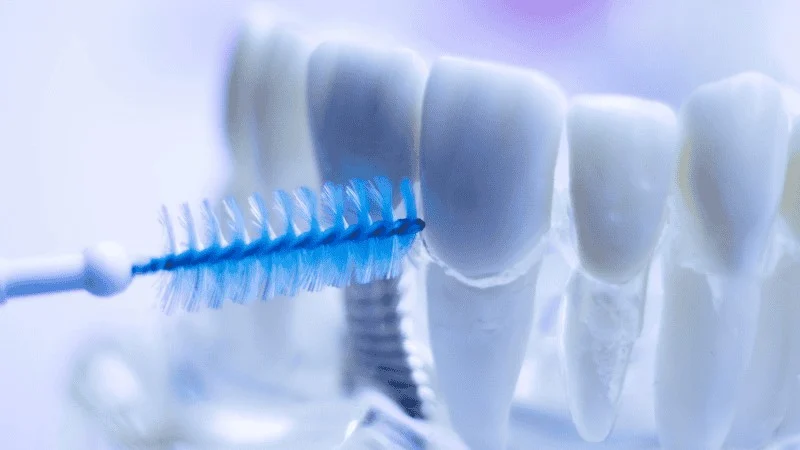
Floss threaders help you guide regular floss under bridges and between tight spaces. These thin plastic loops make it easier to clean hard-to-reach areas.
Interdental brushes are small cone-shaped brushes that clean between teeth and under bridges. They come in different sizes to fit various gaps.
You can use water flossers for both implants and bridges. They flush out debris with pressurized water and work well if you have trouble with traditional floss.
Visit your dentist every six months for professional cleanings. These dental check-ups let your dentist spot potential problems early before they become serious issues.
Cost, Value, and Patient Considerations
The upfront price tells only part of the story when you compare tooth replacement options. Your best choice depends on your budget, bone health, and how long you want your restoration to last.
Initial Cost vs Long-Term Value
The cost of dental implants typically ranges from $3,500 to $6,500 per tooth in 2026. That includes the implant post, abutment, and crown. Bridge cost usually falls between $2,000 and $4,500, depending on whether you need a single-unit or 3-unit bridge.
A 3-unit bridge replaces one missing tooth but requires crowns on both neighboring teeth. This design costs less at first but may need replacement every 10 to 15 years.
Implants often last 20 years or longer with proper care. When you calculate the lifetime value of implants versus bridges, many patients spend less over time with implants because they avoid multiple replacements.
Bridges can wear down the anchor teeth over time. If those teeth develop decay or fail, you may face additional crowns or even more missing teeth to replace.
Who Is the Best Candidate for Each Option?
You are likely a good candidate for implants if you have healthy gums and adequate bone density. Your dentist will check your jawbone with imaging to confirm whether grafting is needed.
Implants work well when you want to avoid touching adjacent teeth. They also help if you need to replace missing teeth without affecting healthy ones nearby.
Bridges may suit you better if surgery is not an option or if neighboring teeth already need crowns. They also finish faster, often within a few weeks instead of several months.
Prosthodontics specialists can evaluate complex cases where multiple teeth are missing. If you smoke, have uncontrolled diabetes, or take certain medications, your provider may recommend specific preparation steps before proceeding.
Alternatives to Implants and Bridges
Partial dentures offer a removable option to replace missing teeth. They cost less than implants or bridges but may feel less stable during chewing and speaking.
Partial dentures rest on your gums and attach to remaining teeth with metal clasps. They require removal for cleaning and may need adjustments as your gums change shape over time.
Another option is to do nothing, but that choice carries risks. Bone loss begins right after tooth extraction, and neighboring teeth can shift into the gap. This can affect your bite and make future treatment more difficult or expensive.
If you have multiple missing teeth, implant-supported bridges or full-arch solutions may provide better stability than traditional partial dentures while still being more affordable than replacing every tooth individually.
Frequently Asked Questions
Dental implants can last 20 years or more with proper care, while bridges typically need replacement after 10 to 15 years. The lifespan of either option depends on your oral hygiene habits, overall health, and how well you maintain regular dental checkups.
What are the longevity expectations for dental implants as opposed to bridges?
Dental implants are generally the longer-lasting option when comparing the two tooth replacement choices. With good oral hygiene and regular dental visits, implants can last 20 years or more.
Many people keep their implants for a lifetime.
Dental bridges typically last between 10 and 15 years before needing replacement or repair. The bridge itself may remain functional, but the supporting teeth can weaken over time. This affects how long the restoration stays in place.
Can you explain the maintenance differences between a bridge and a dental implant?
Both options require daily brushing and flossing to keep them clean. However, the cleaning methods differ slightly between the two.
Bridges need special attention under the artificial tooth where it connects to your gums. You’ll need to use floss threaders or special brushes to clean underneath the pontic. This prevents plaque buildup that can lead to gum disease.
Dental implants require cleaning similar to natural teeth. You brush and floss around the implant crown just like you would with regular teeth. You should also keep the gums around the implant healthy to avoid inflammation.
Regular dental checkups are important for both options. Your dentist will monitor the condition of your bridge or implant and catch any problems early.
What factors could affect the lifespan of my dental implant or bridge?
Your oral hygiene habits play the biggest role in how long either option lasts. Poor brushing and flossing can lead to gum disease, which weakens the foundation for both bridges and implants.
The health of your jawbone matters more for implants. Good bone volume provides stability for the implant post to integrate properly. If you have bone loss, the implant may not last as long.
For bridges, the strength of your adjacent teeth determines longevity. If the supporting teeth develop decay or damage, the entire bridge can fail. These teeth bear extra pressure from the artificial tooth they support.
Grinding your teeth or clenching your jaw can wear down both implants and bridges faster. Your dentist may recommend a night guard to protect your restoration.
Medical conditions like diabetes or autoimmune disorders can affect healing and maintenance. Smoking also reduces success rates for both treatment types.
Are there any lifestyle considerations I should take into account when choosing between an implant and a bridge?
Your daily schedule and patience for treatment matter when making this choice. Dental implants require multiple appointments over several months for the surgical placement and healing period. Bridges can be completed in just a few weeks with fewer visits.
If you play contact sports or have an active lifestyle, implants offer better long-term durability. They’re anchored in your jawbone and handle impact more like natural teeth.
Your budget affects which option works best for you right now. Implants cost more upfront but may save money over time since they rarely need replacement. Bridges cost less initially but will likely need to be redone after 10 to 15 years.
Could you highlight the success rates of dental implants versus bridges over a long-term period?
Dental implants have high success rates that often exceed 95 percent when placed by experienced dentists. With proper care, implants can last a lifetime without needing replacement.
Bridges also work well for many patients but have shorter lifespans on average. Most bridges need replacement or repair within 10 to 15 years. The success of your bridge depends heavily on keeping the supporting teeth healthy.
Implants preserve your jawbone density over time. This helps maintain your facial structure and prevents the sunken appearance that can happen after tooth loss.
Bridges don’t stimulate the jawbone like natural tooth roots or implants do. This can lead to gradual bone loss in the area where your tooth is missing.
What might cause a dental bridge to fail sooner than a dental implant?
The supporting teeth that hold your bridge in place can develop problems that shorten its lifespan. Decay or cavities on these anchor teeth weaken their ability to support the bridge. If the supporting teeth fail, the entire bridge must be replaced.
Gum disease around the anchor teeth can also compromise your bridge. The gums may recede and expose the margins where the crowns meet your natural teeth. This creates spaces where bacteria can enter and cause damage.
The cement holding your bridge in place can wear down over time. When this happens, the bridge may become loose or fall out completely.
Bridges don’t replace the tooth root, so they can’t prevent bone loss in your jaw. As the bone shrinks, the fit of your bridge may change. This affects how comfortable it feels and how well it functions.
Dental implants avoid many of these problems because they don’t rely on neighboring teeth for support. The titanium post fuses directly with your jawbone, creating a stable foundation that isn’t affected by adjacent teeth.